

The World Forum on Intercultural Dialogue is the principal operational expression of the Baku Process: a recurring international platform that has brought together governments, international organizations, civil society, academia, and youth from across the globe since 2011. Held on a biennial basis in Baku, each Forum has addressed the evolving challenges of its time, building on the principles established in the 2008 Baku Declaration while expanding the scope and reach of the dialogue with each edition. To date, six Forums have been held, collectively engaging thousands of participants from more than 100 countries. The 7th World Forum on Intercultural Dialogue is scheduled for October 27–29, 2026.
World Forums on Intercultural Dialogue
International Framework for Intercultural Dialogue
Available in:
- English
- Azərbaycanca
Overview
A Biennial Platform Connecting Governments, Institutions, and Societies Across the Globe
The Baku Process at a Glance
More than sixteen years of dialogue, cooperation, and international engagement.
-
15 +
Years of Dialogue
-
6
World Forums
-
110 +
Participating Countries
Journey Through the Years
The key milestones of the Baku Process.
-
1st World Forum on Intercultural Dialogue (2011)
“United Through Common Values, Enriched by Cultural Diversity”
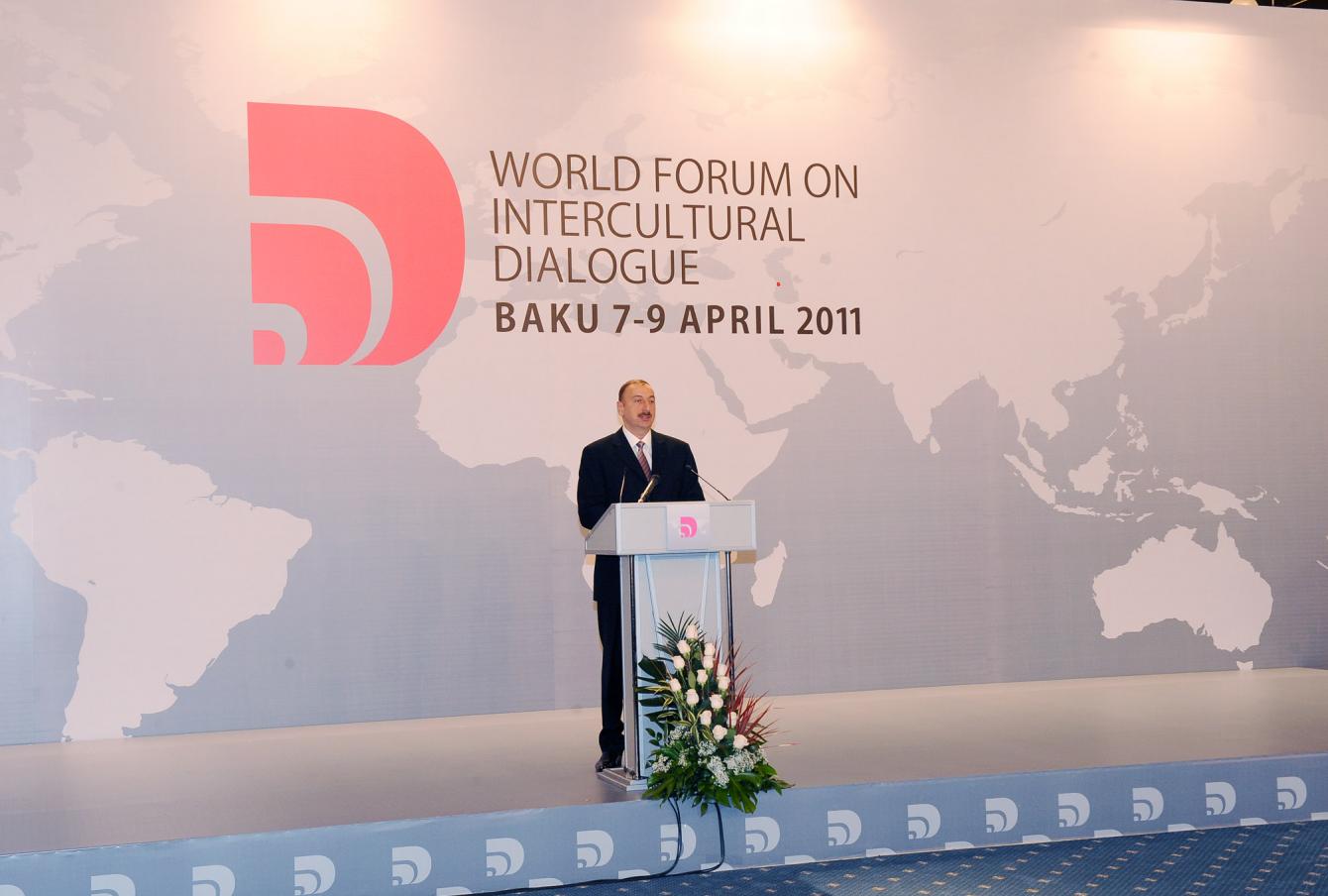
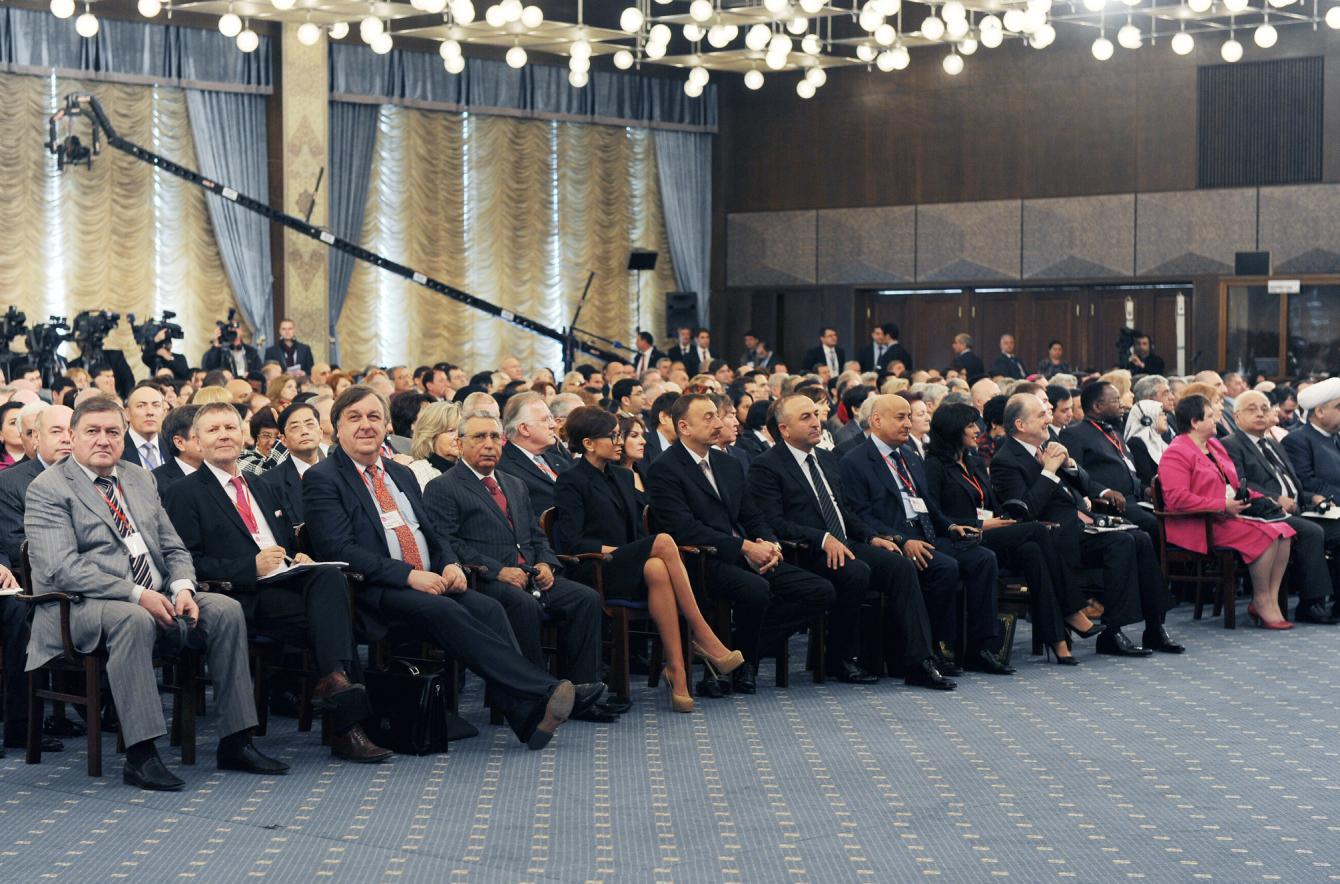
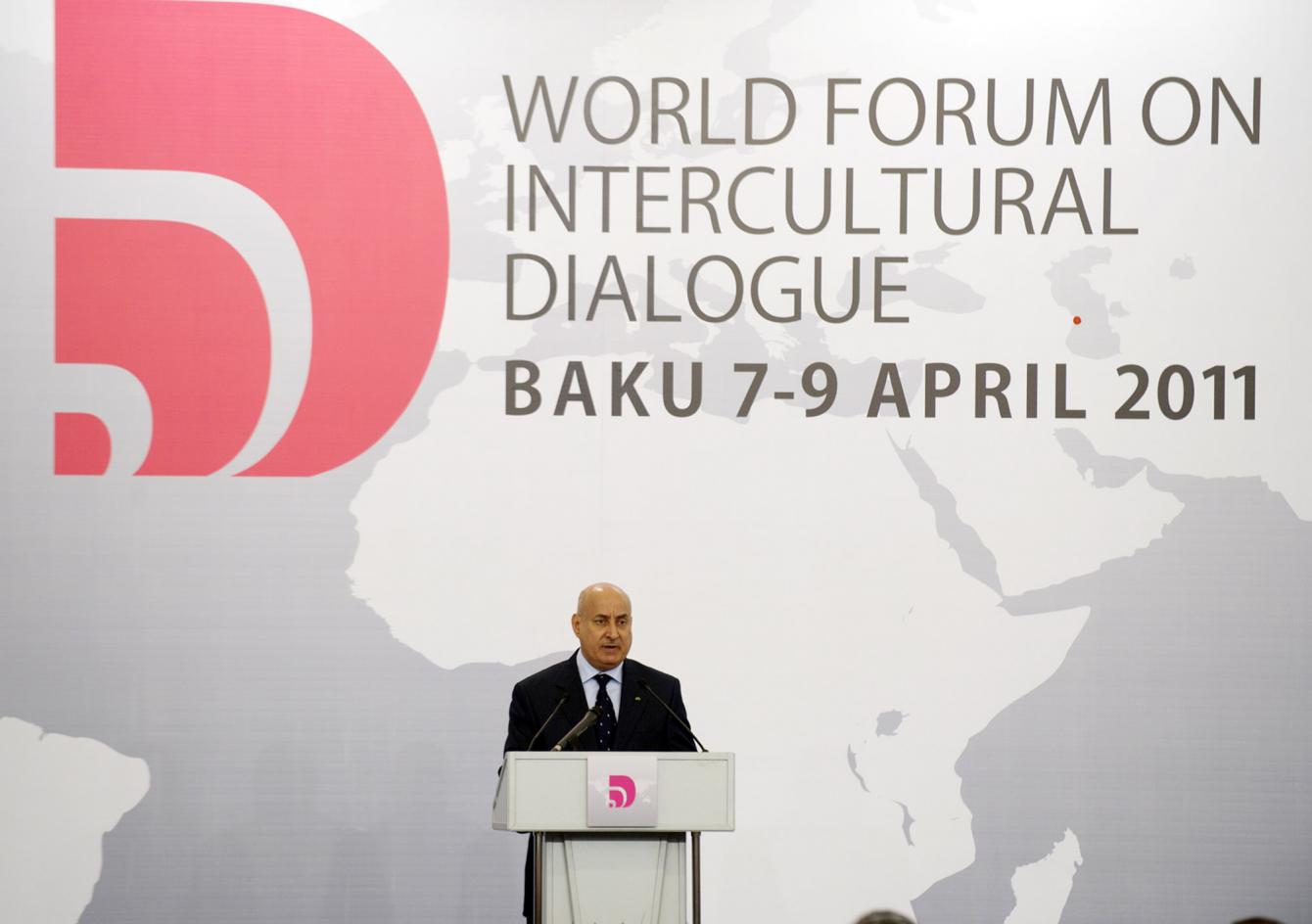
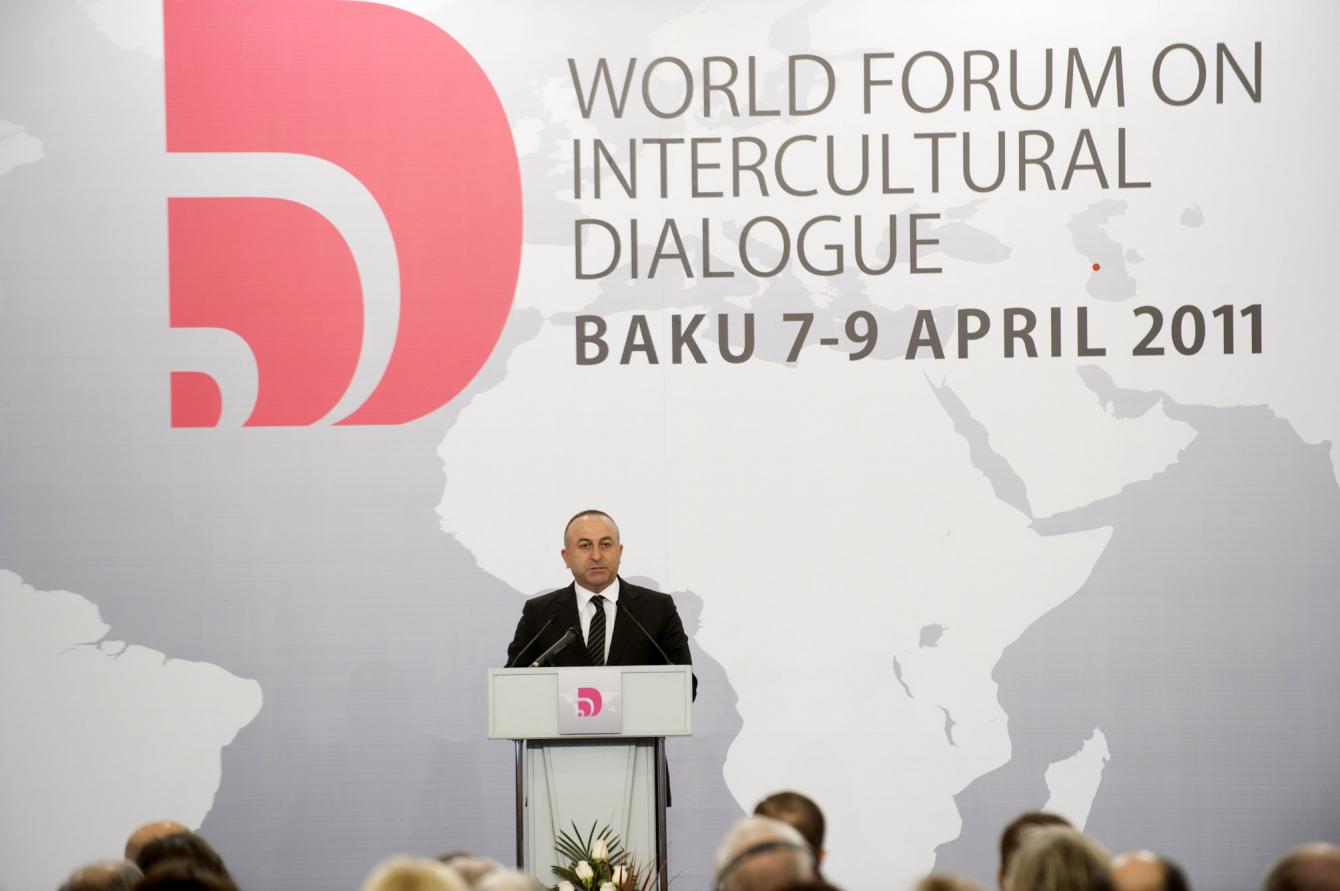
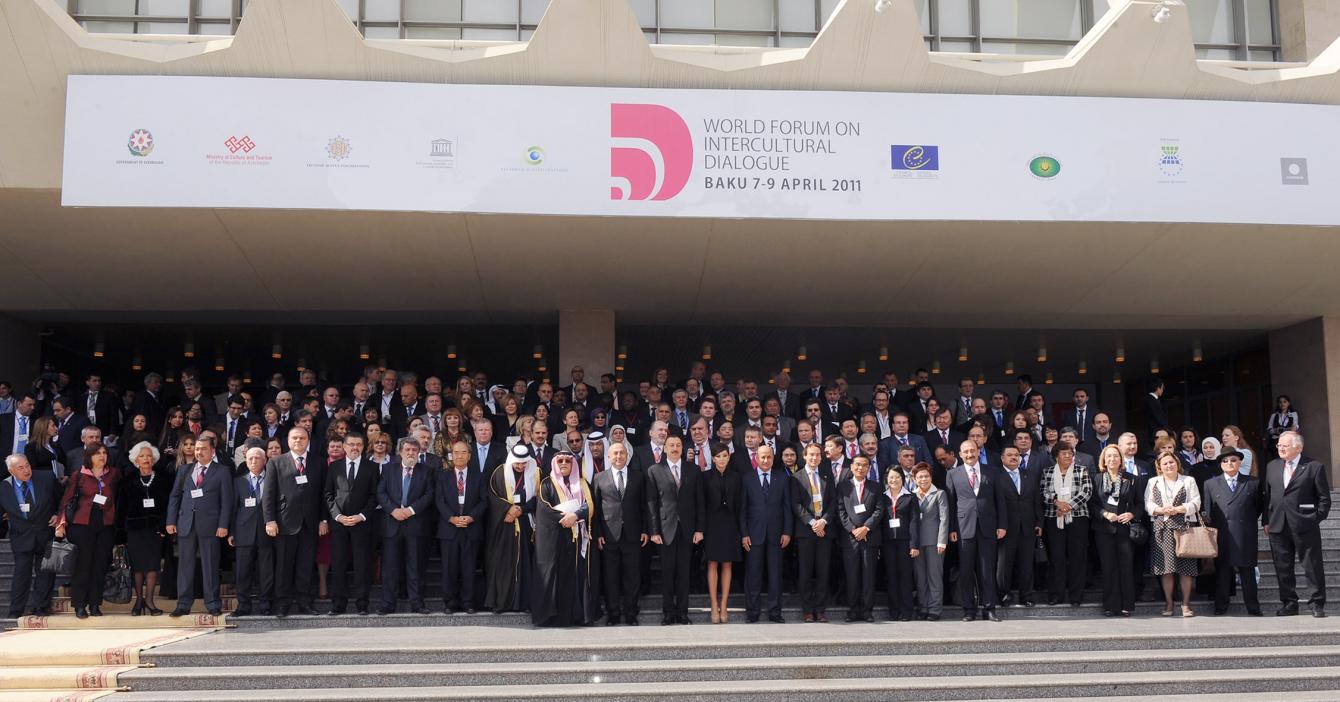
The First World Forum on Intercultural Dialogue convened in Baku from April 7 to 9, 2011, under the theme "United Through Common Values, Enriched by Cultural Diversity." The Forum brought together over 500 delegates from 102 countries, including government ministers, representatives of international organizations, mayors, and civil society leaders.
Discussions focused on translating the principles of the 2008 Baku Declaration into concrete international policy, addressing the practical challenges of fostering cooperation among diverse communities, building public support for inclusive cultural policies, and managing the pressures that globalization places on local identities.
The First Forum produced two significant institutional outcomes: the establishment of the "5A" Intercultural Cooperation Platform, representing the five continents, and the creation of the Baku Global Think-Tank Group for Intercultural Dialogue, providing the Baku Process with dedicated analytical and advisory capacity.
-
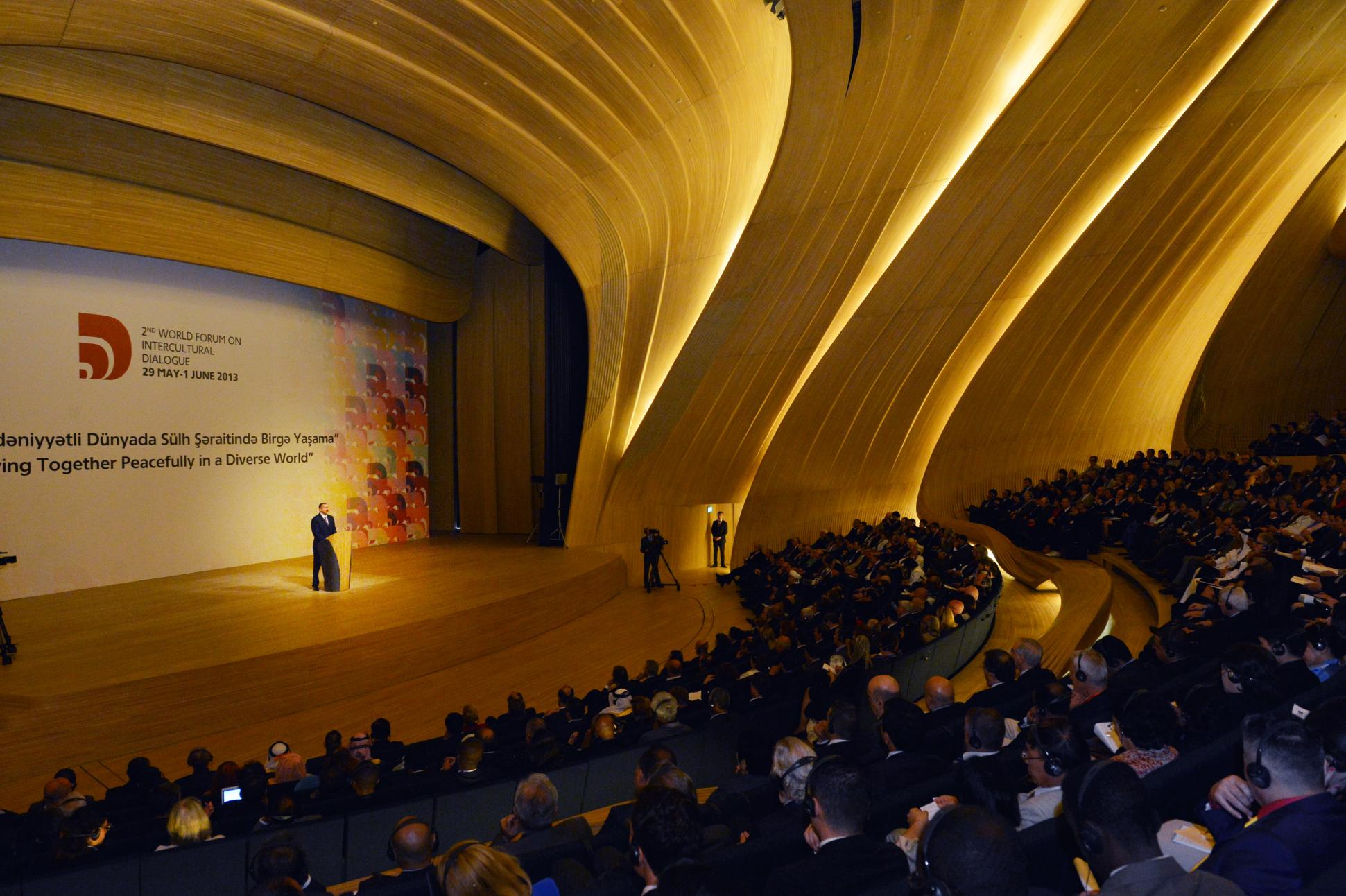
2nd World Forum on Intercultural Dialogue (2013)
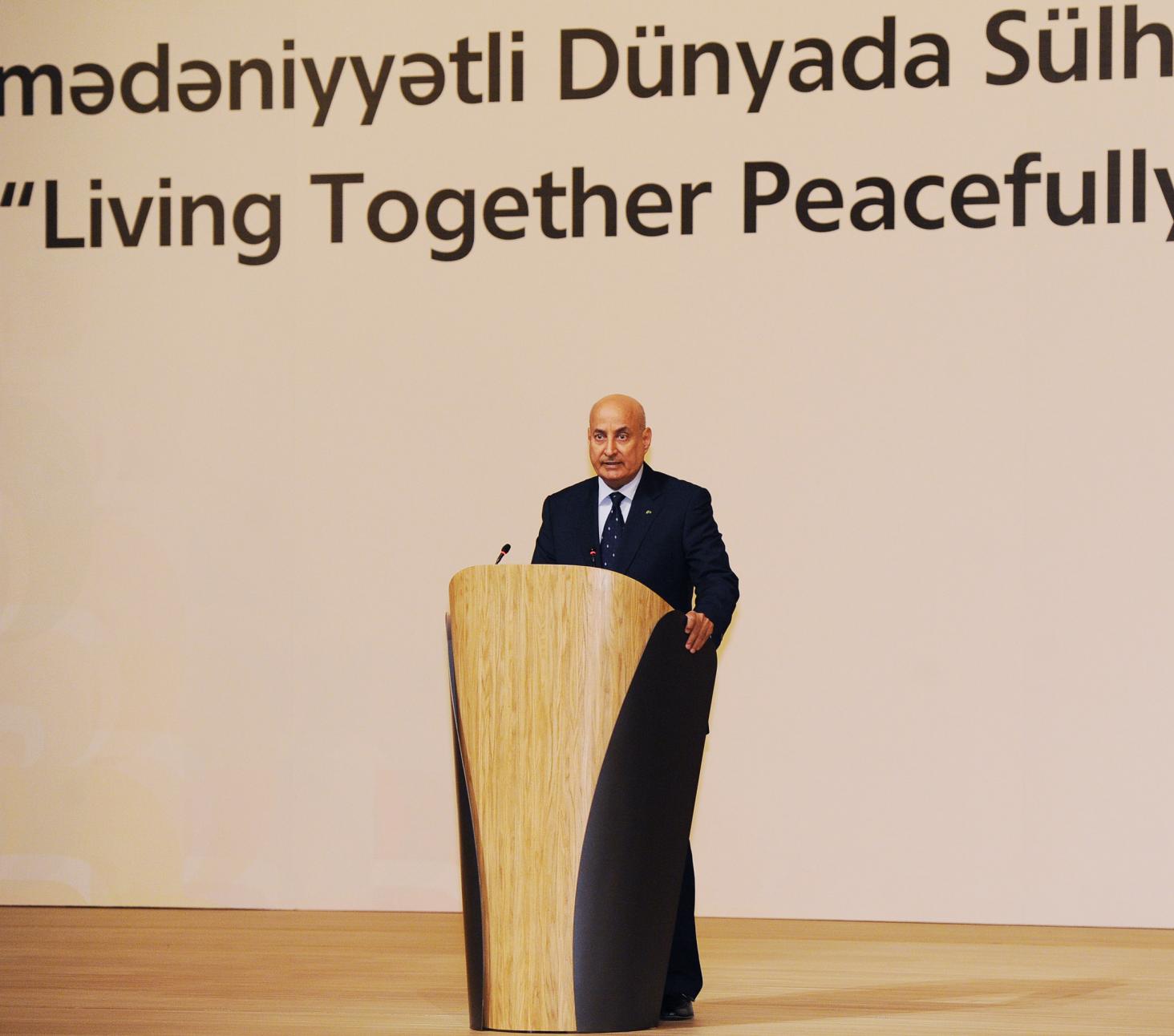
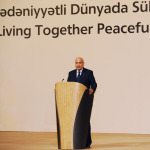
“Living together peacefully in a diverse world”
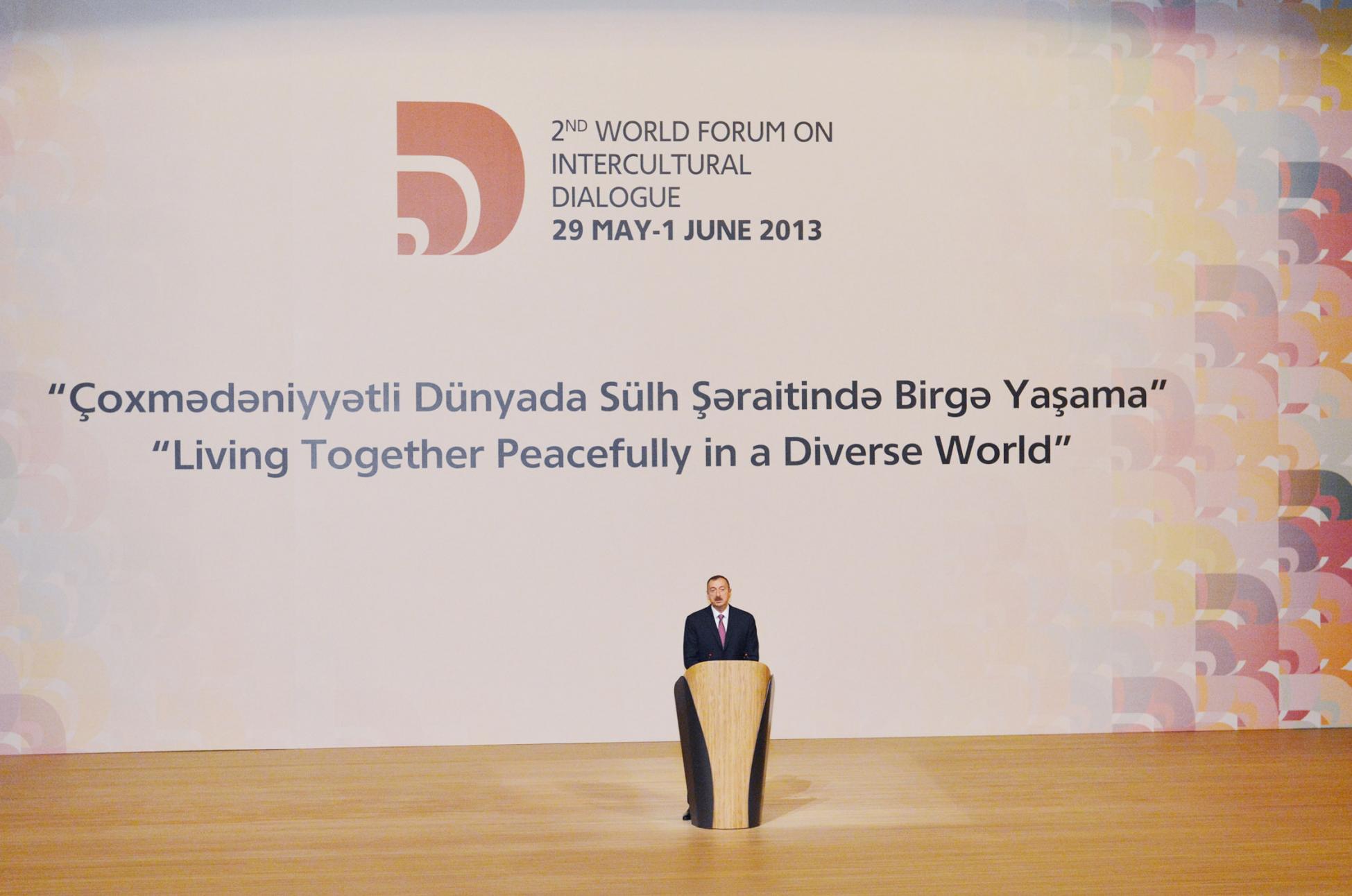
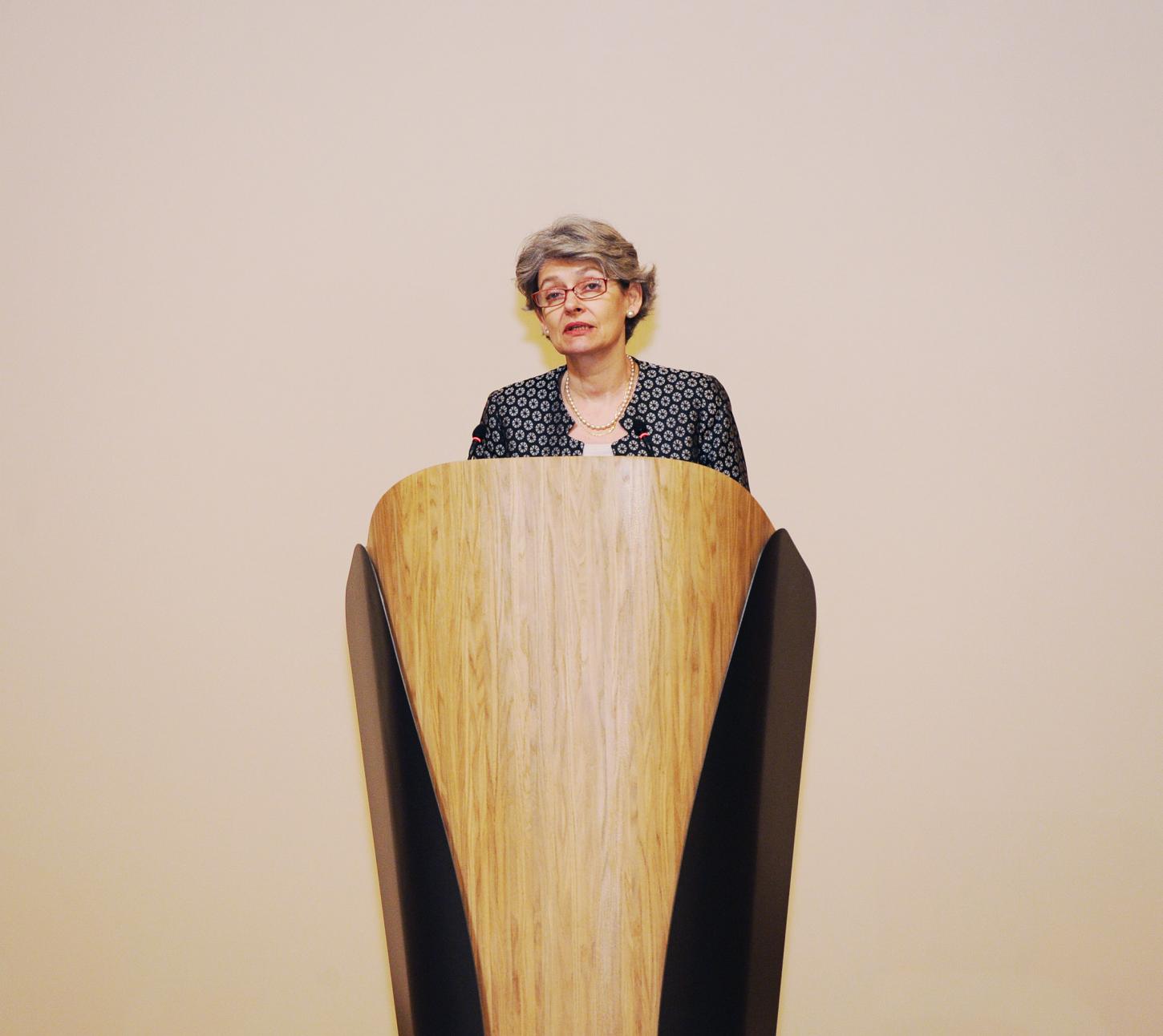
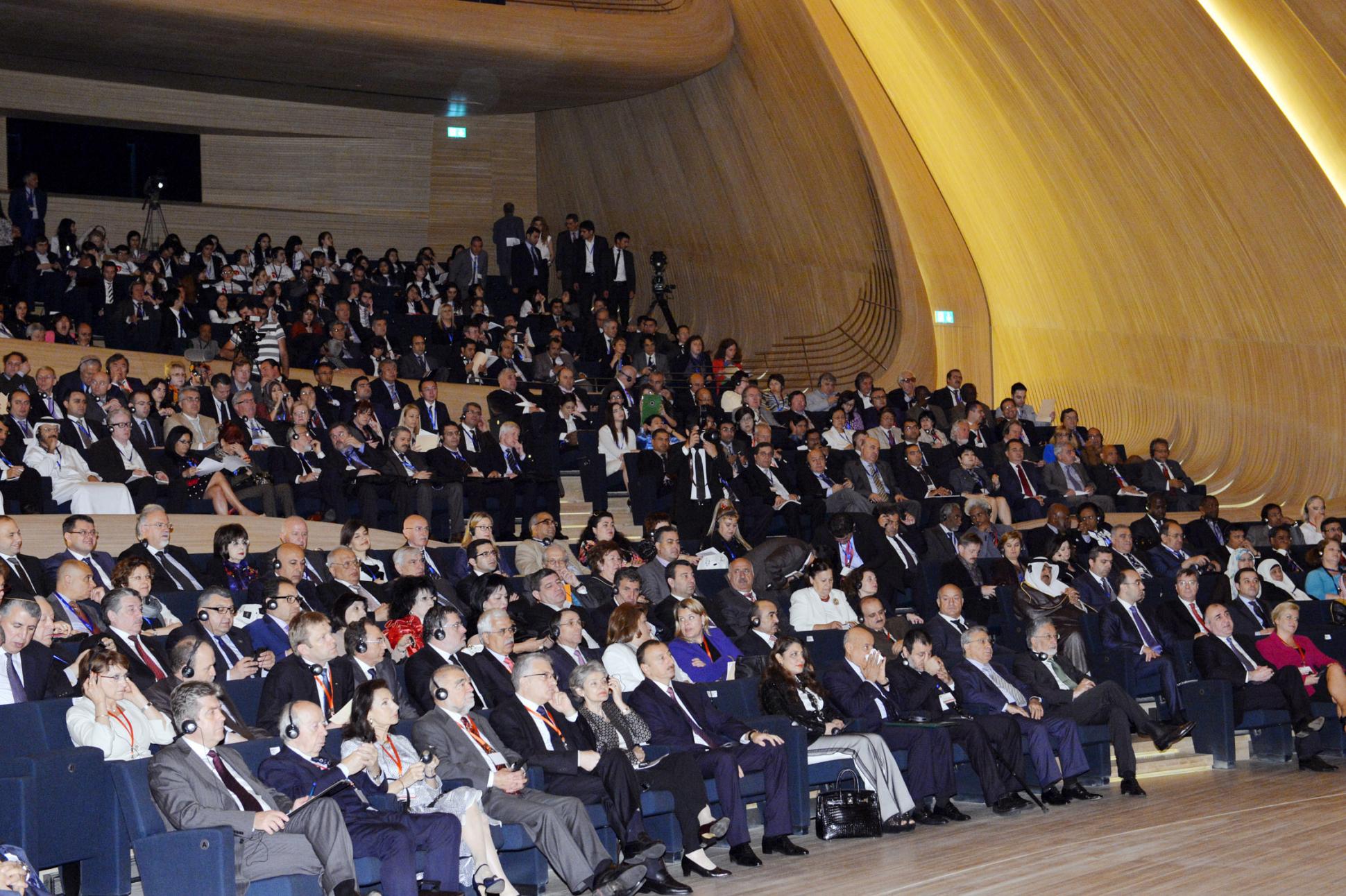
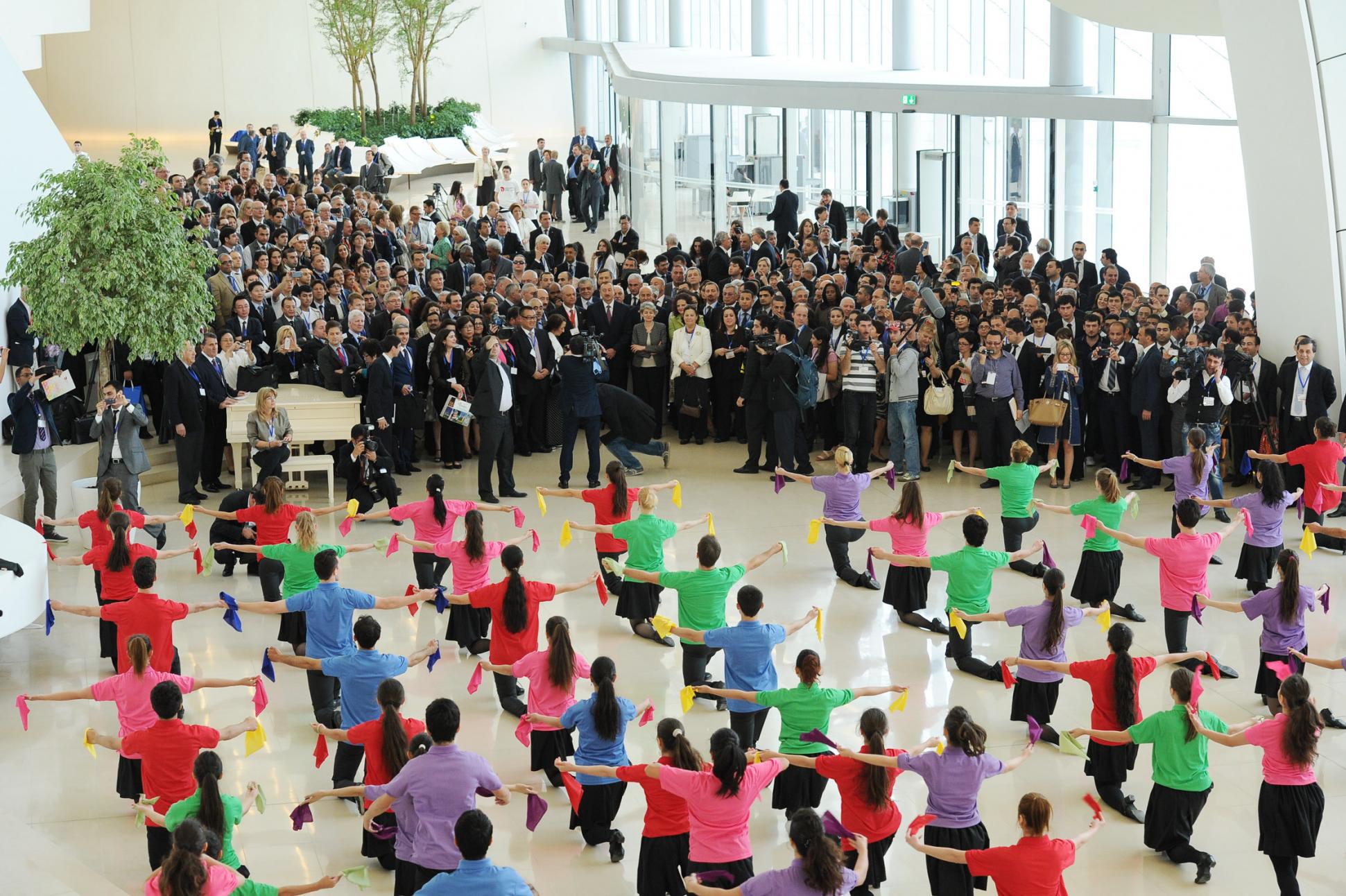
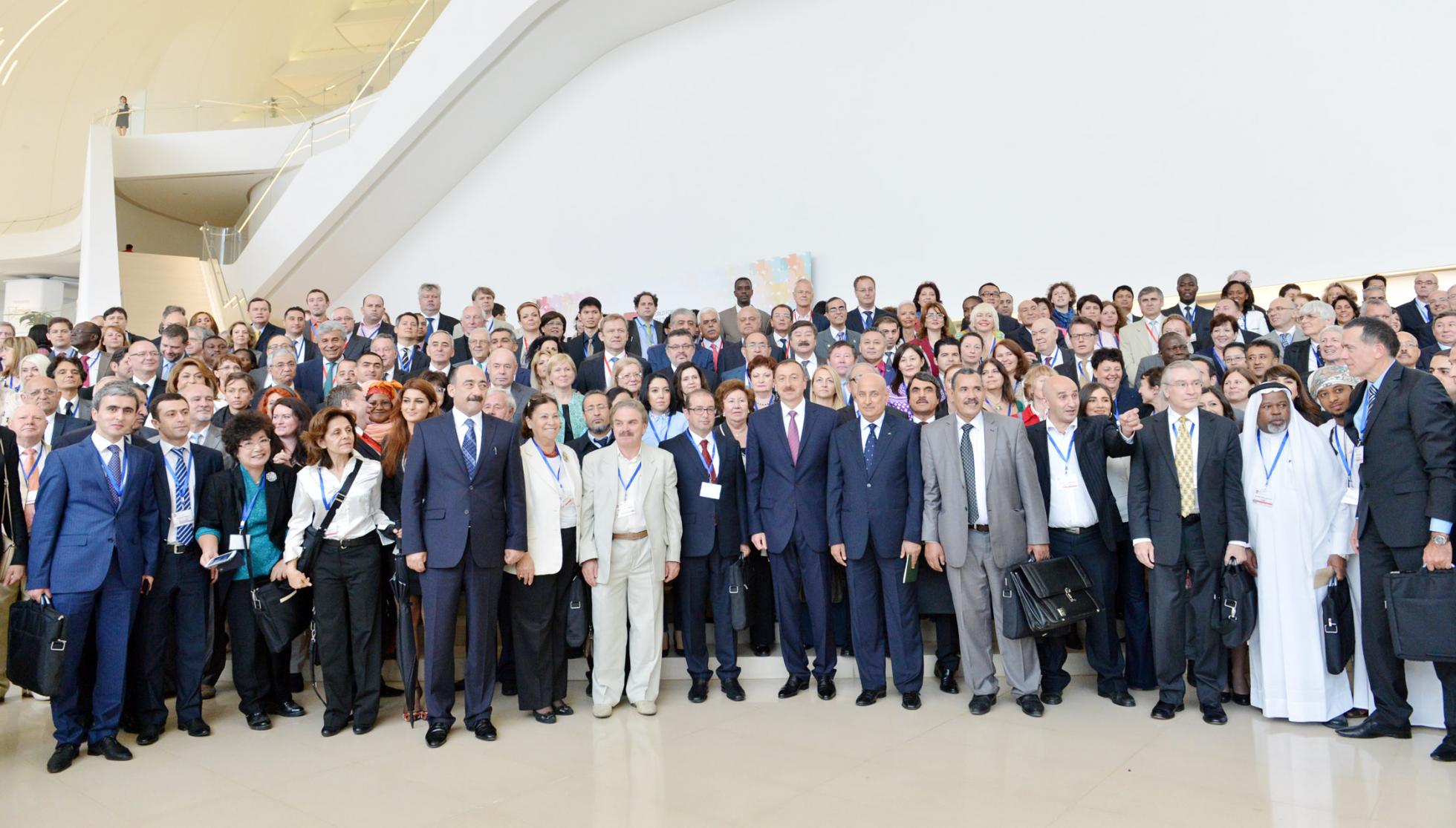
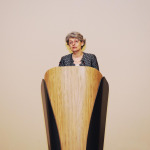
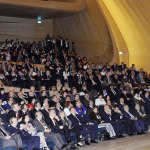
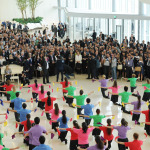
The Second World Forum on Intercultural Dialogue took place from May 29 to June 1, 2013, under the theme "Living Together Peacefully in a Diverse World." The Forum expanded the programmatic scope of the Baku Process and solidified its core consortium of international co-organizers, formally integrating UN Tourism alongside UNESCO, the United Nations Alliance of Civilizations (UNAOC), the Council of Europe, and ICESCO.
A defining feature of this edition was the integration of cross-sectoral approaches, identifying areas such as global tourism, historical trade routes, and urban policy as practical instruments for building mutual understanding between communities. The Second Forum also hosted the First Ministerial Meeting within the Baku Process framework, marking an important step in elevating the platform's diplomatic standing.
-
3rd World Forum on Intercultural Dialogue (2015)
“Sharing Culture for Shared Security”
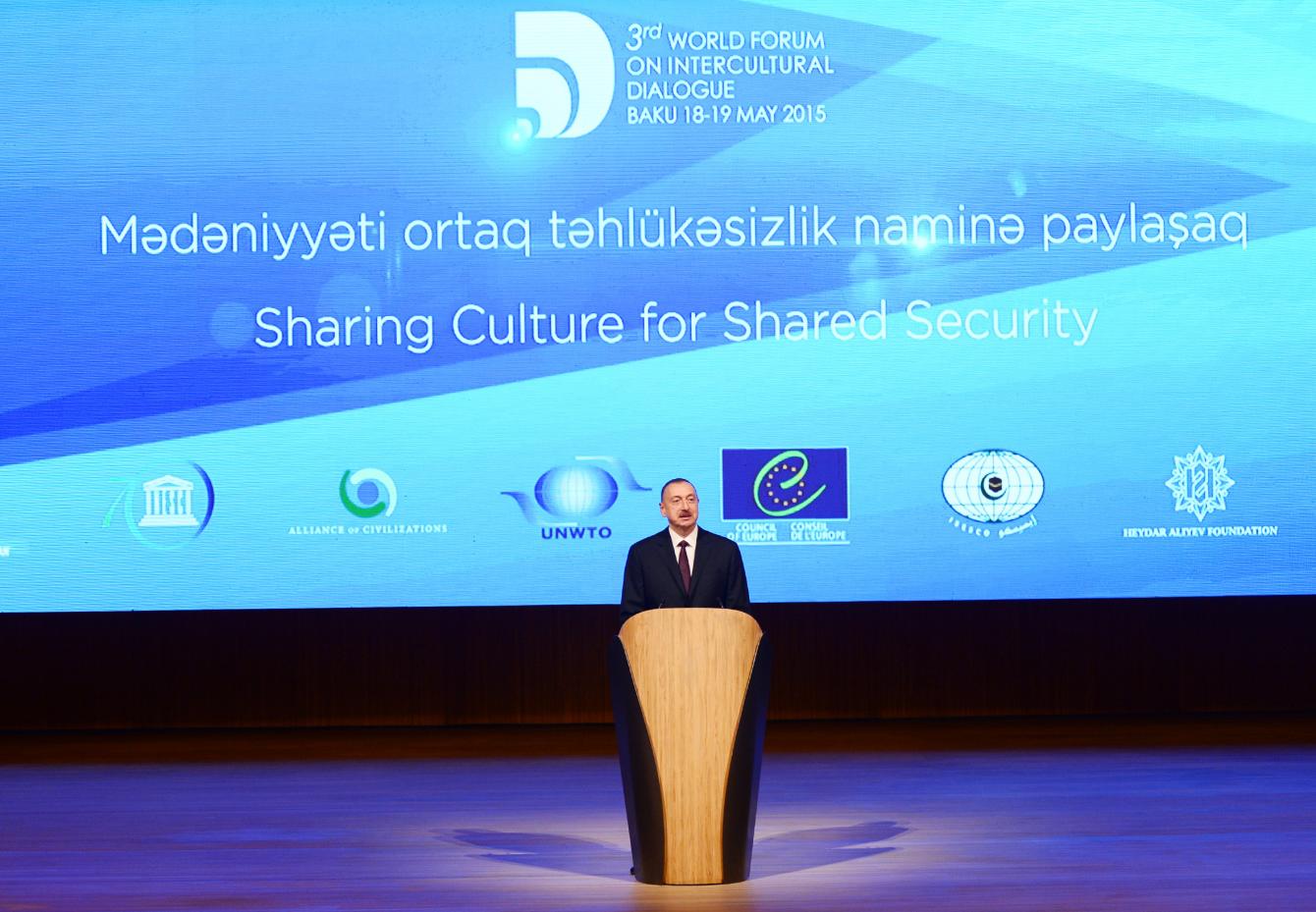
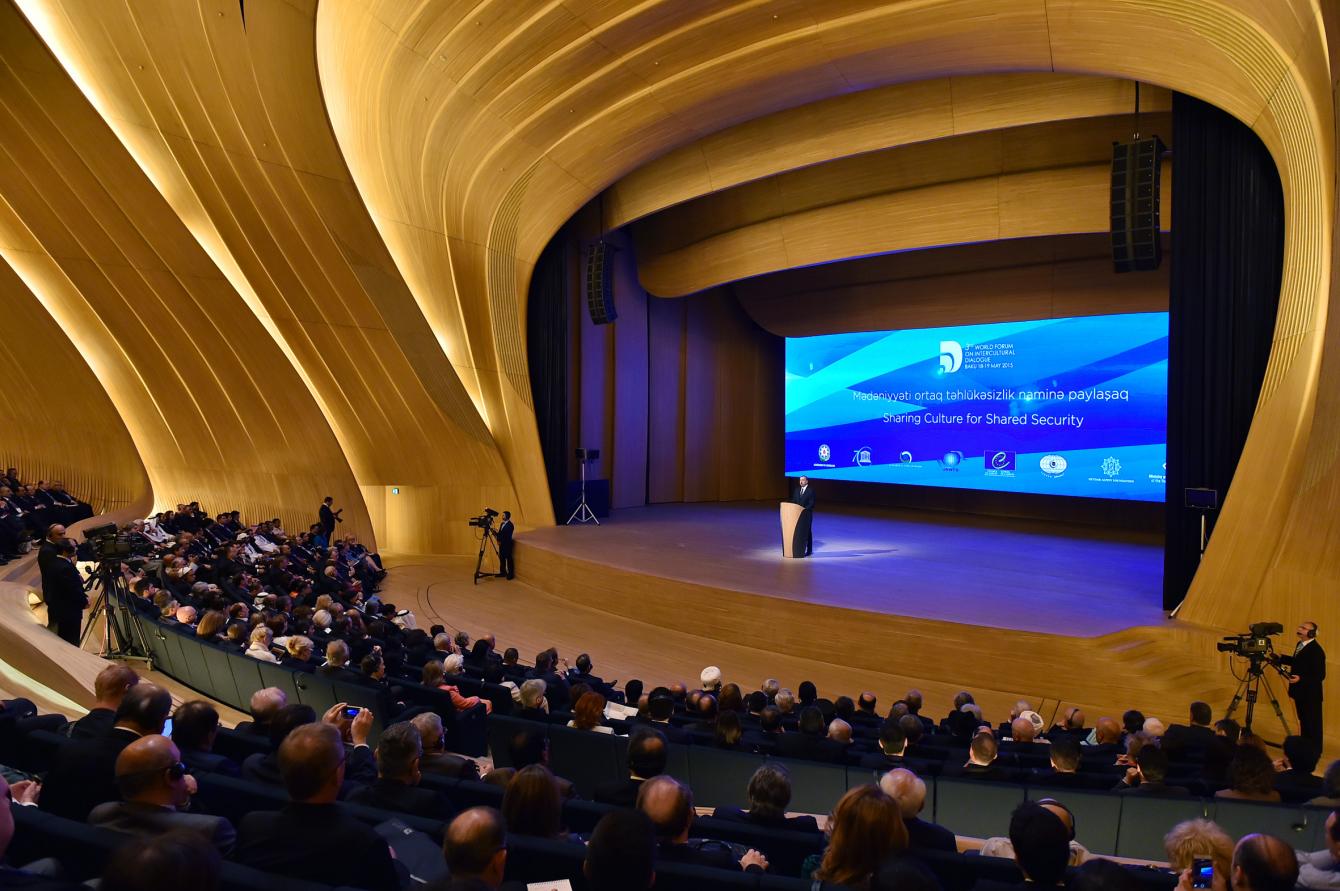
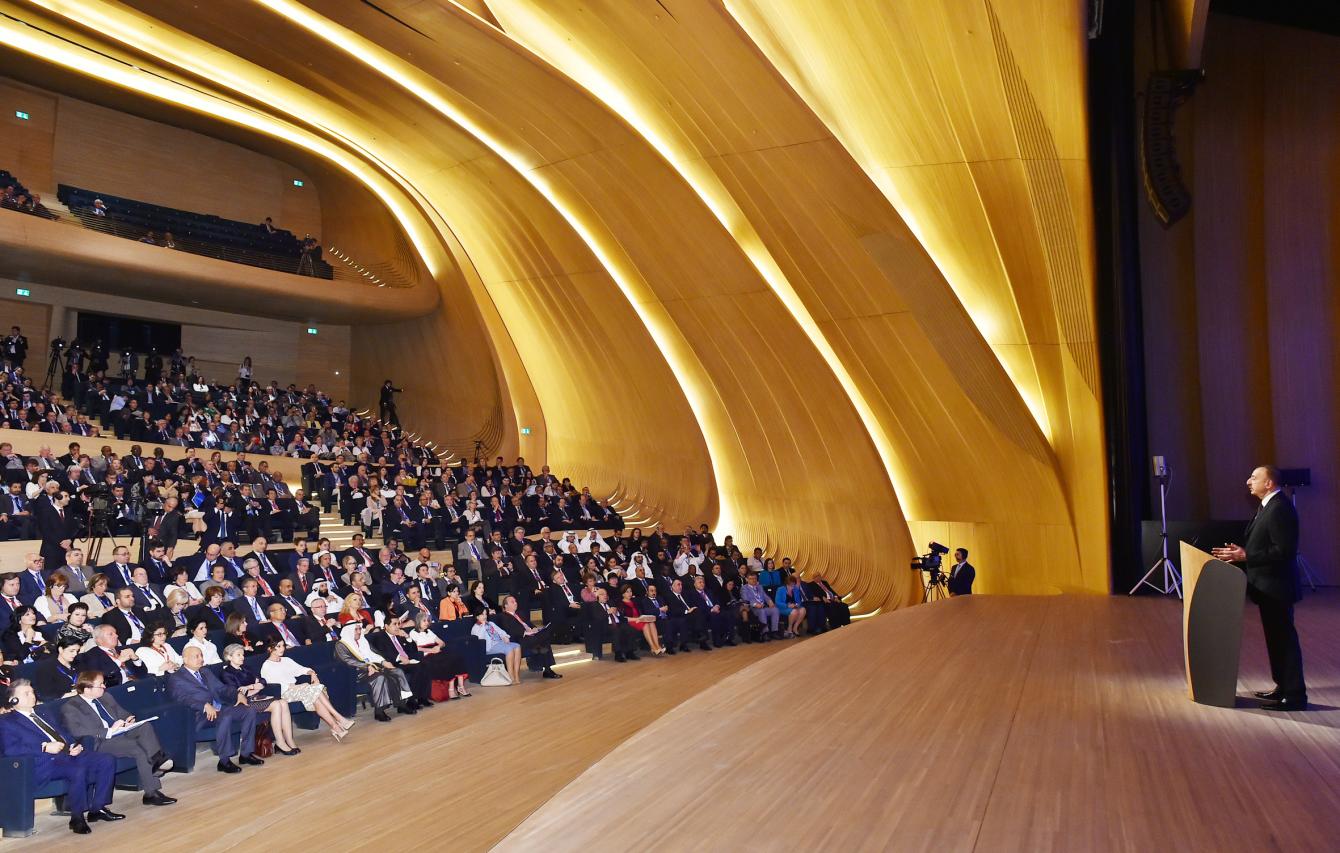
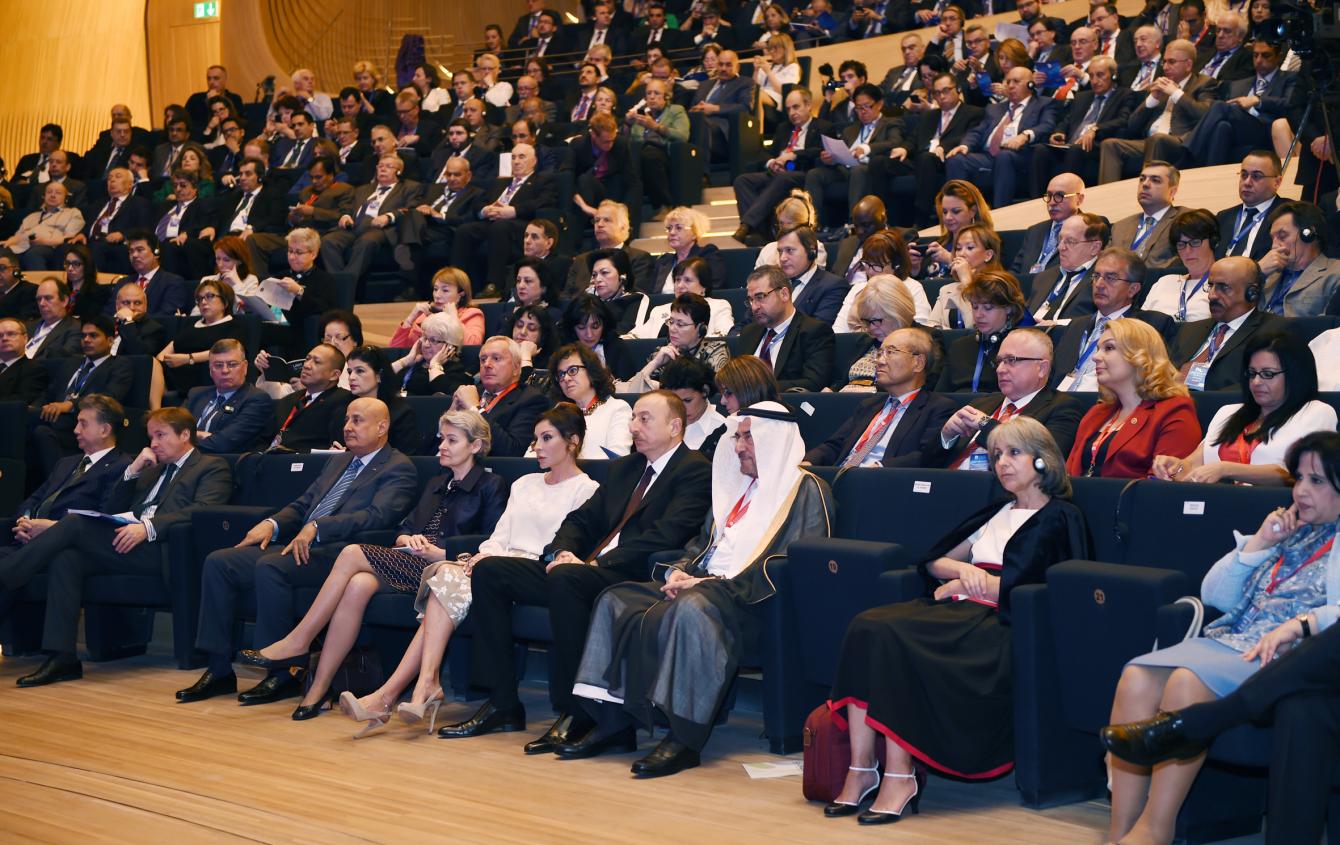
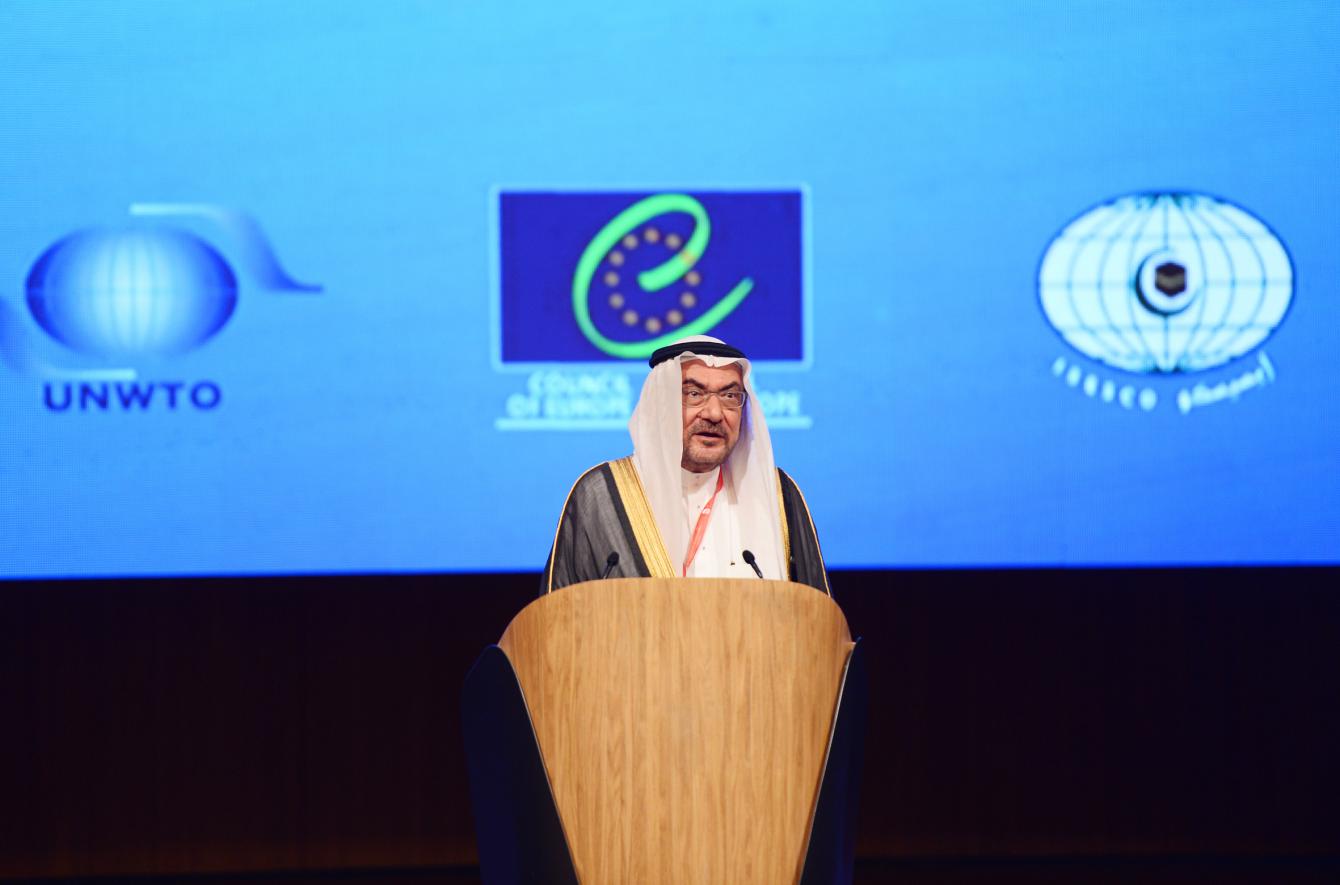
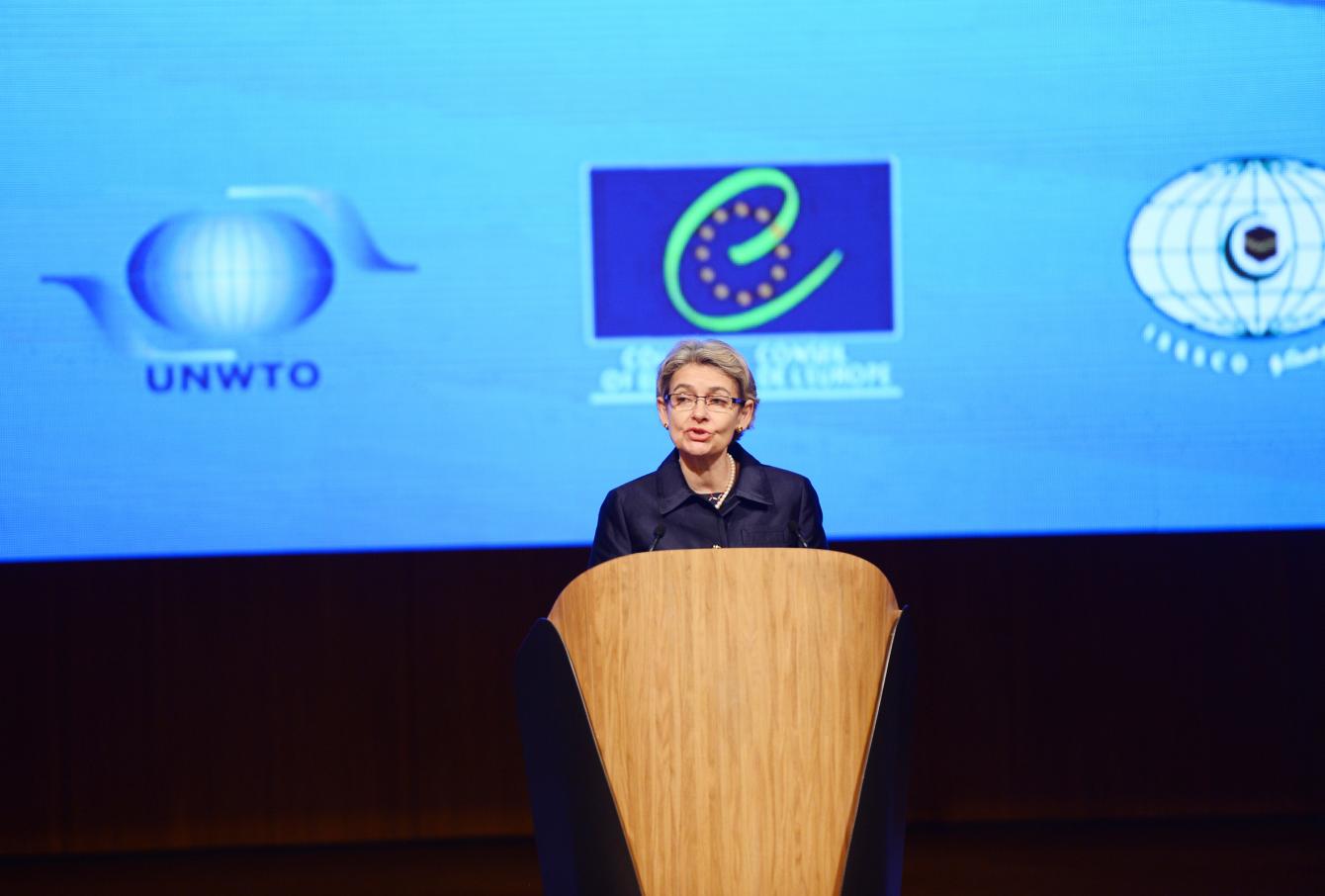
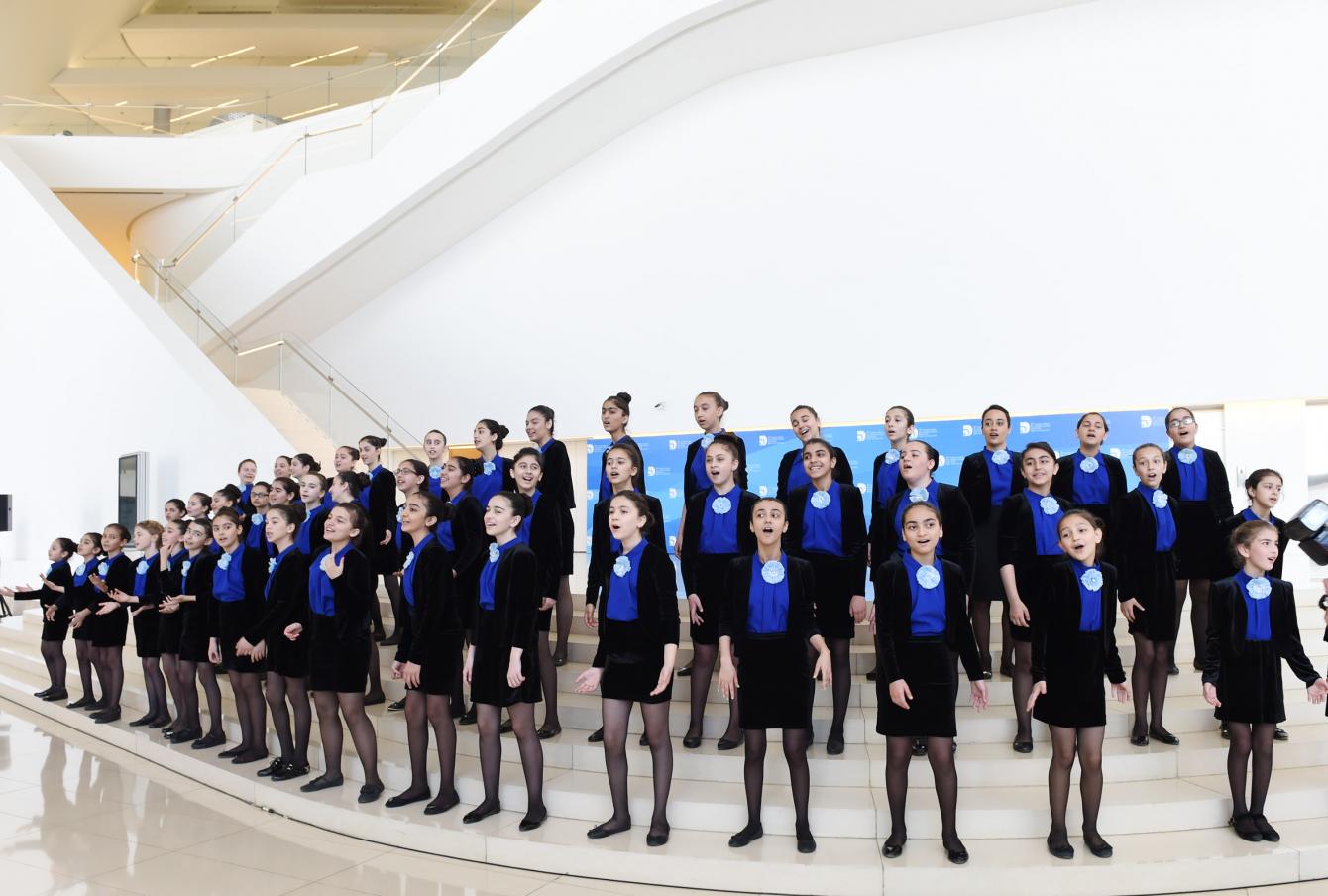
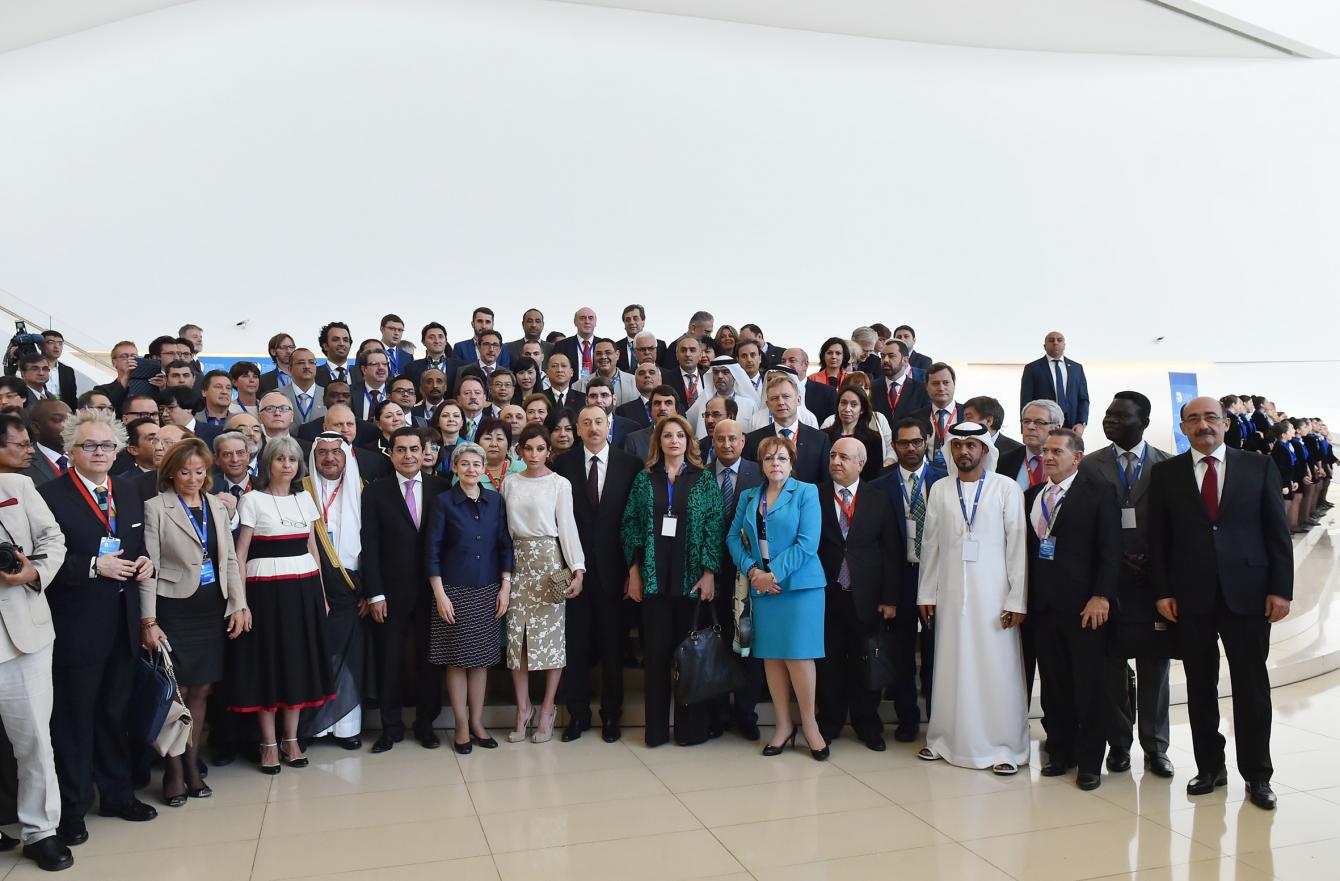
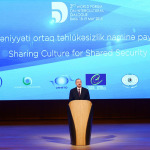
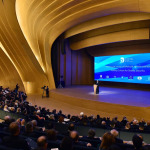
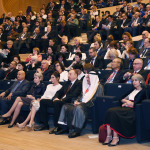
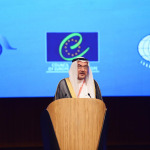
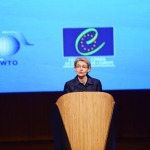
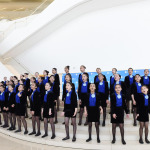
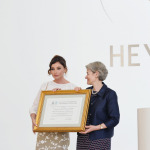
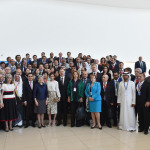
The Third World Forum on Intercultural Dialogue convened in Baku on May 18–19, 2015, under the theme "Sharing Culture for Shared Security." The Forum took place against a backdrop of rising violent extremism and regional instability, and its agenda reflected the growing recognition that intercultural dialogue is not a peripheral diplomatic objective, but a substantive component of international peace and security.
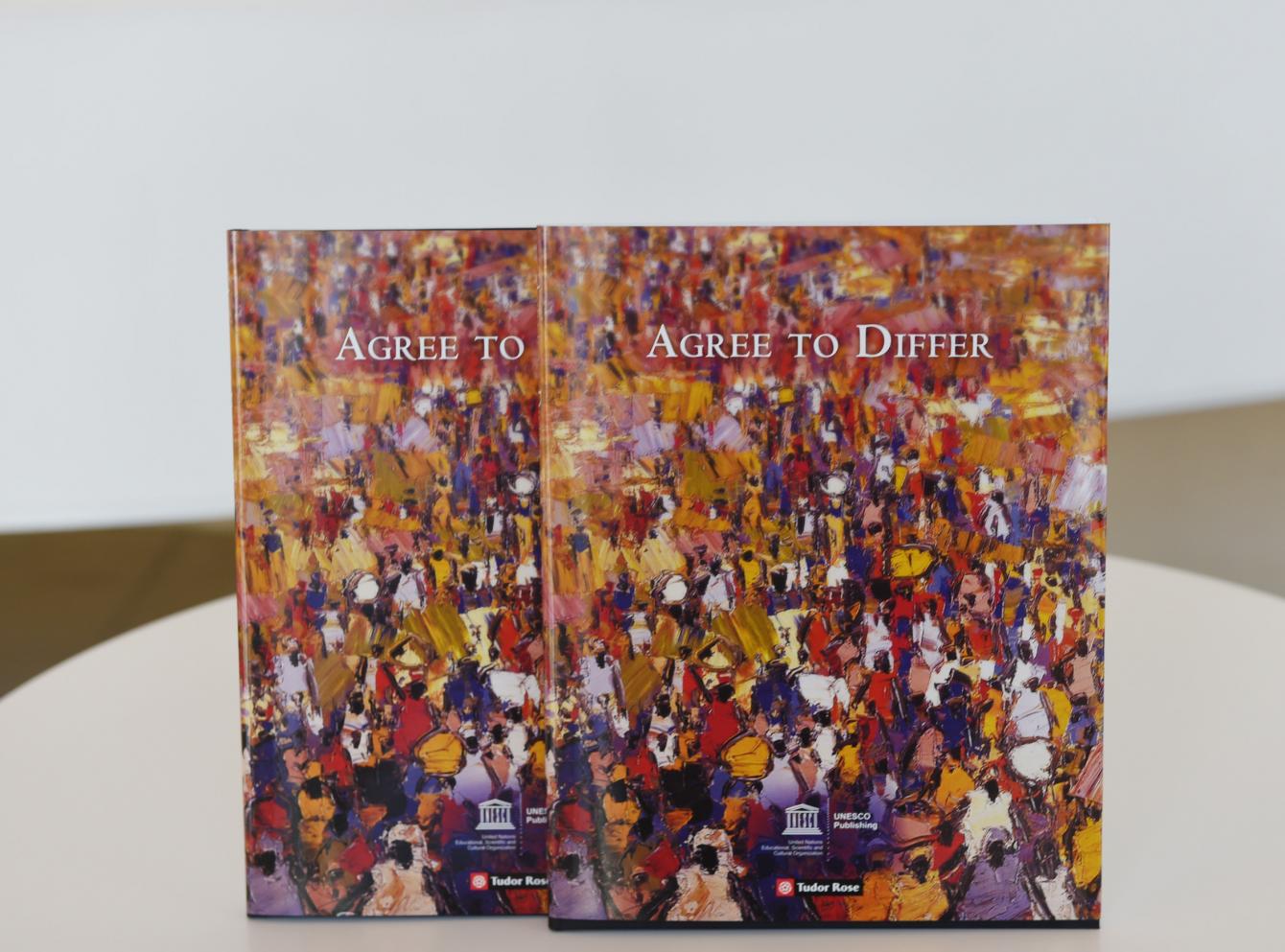
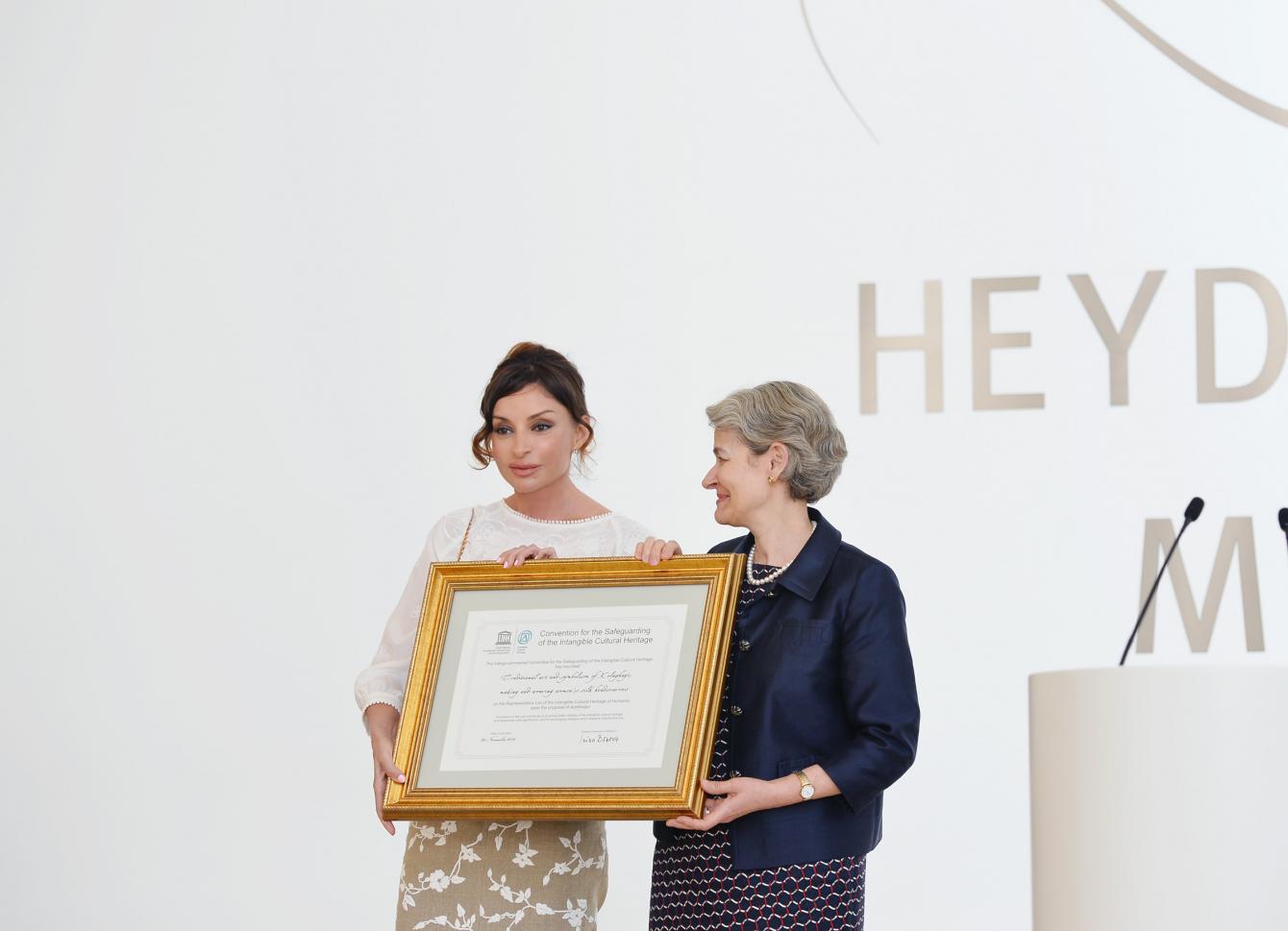
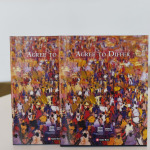
Discussions examined how cultural policy can be integrated into conflict prevention frameworks, positioning the Baku Process explicitly within the broader global security agenda. The Third Forum produced several notable outputs: the inauguration of the "Tree of Peace" monument in Baku, the launch of the First Academic Forum of UNESCO Chairs on interreligious and intercultural dialogue, and the release of the publication "Agree to Differ."
-
7th Global Forum of the United Nations Alliance of Civilizations (2016)
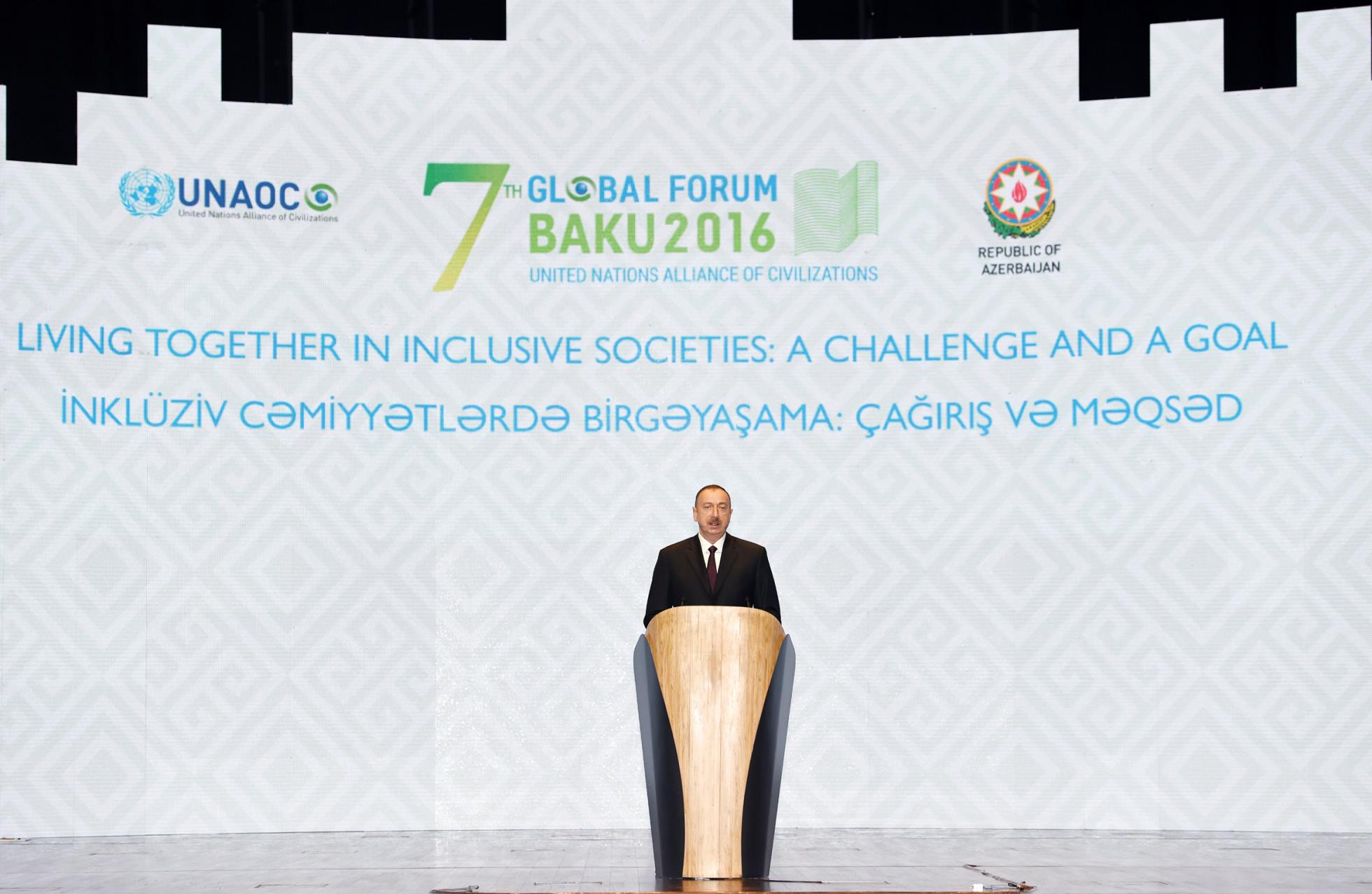
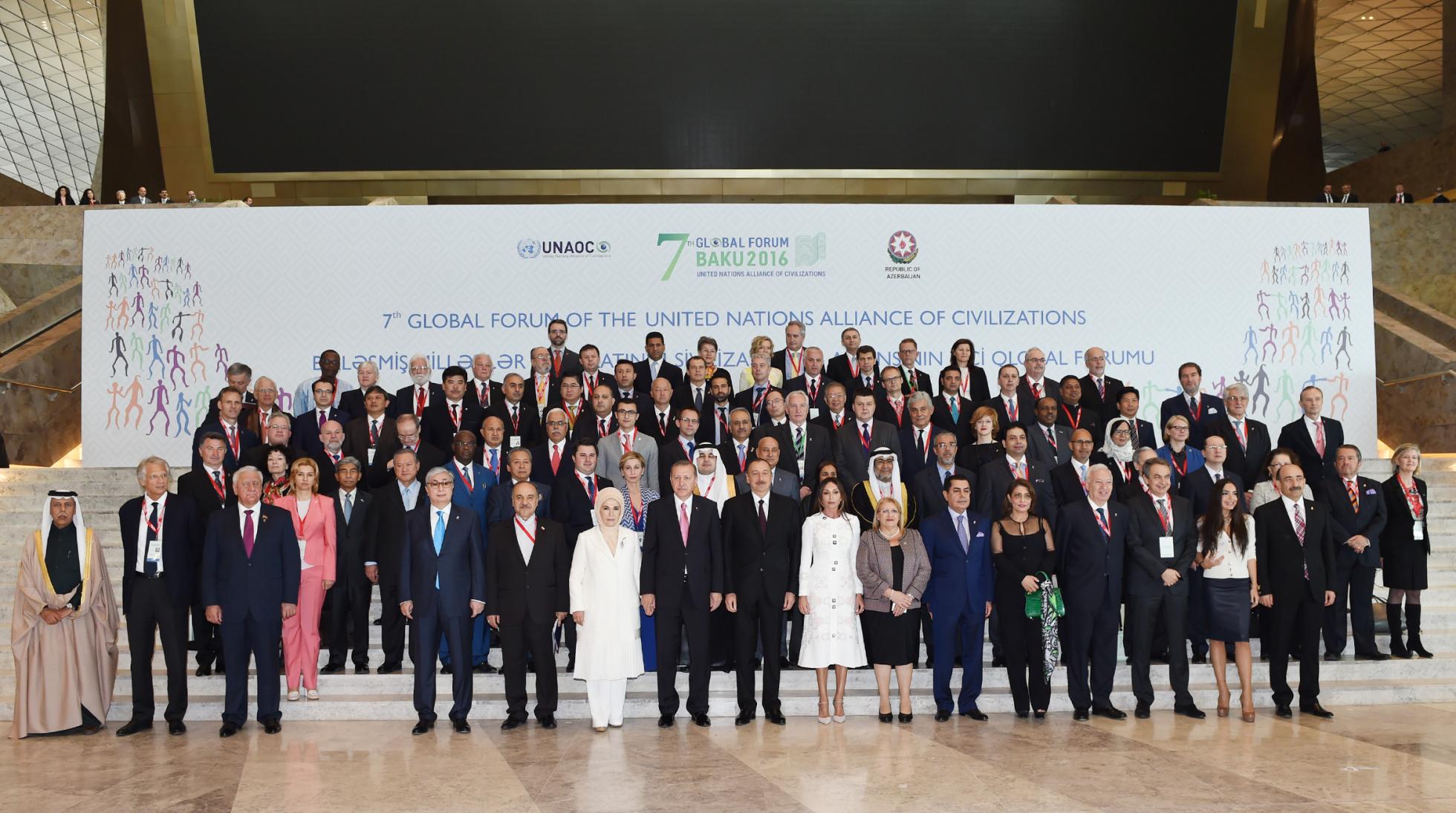
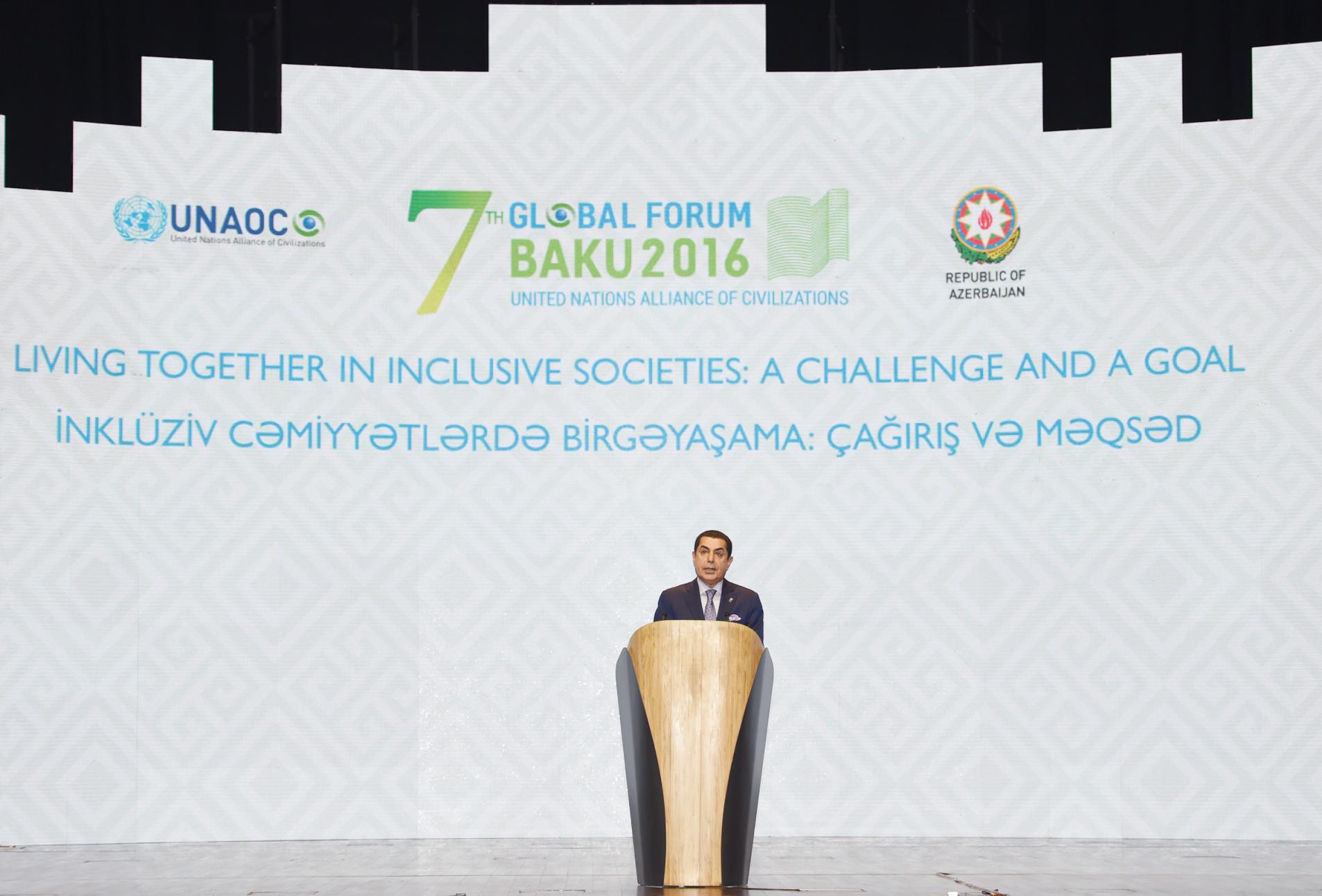
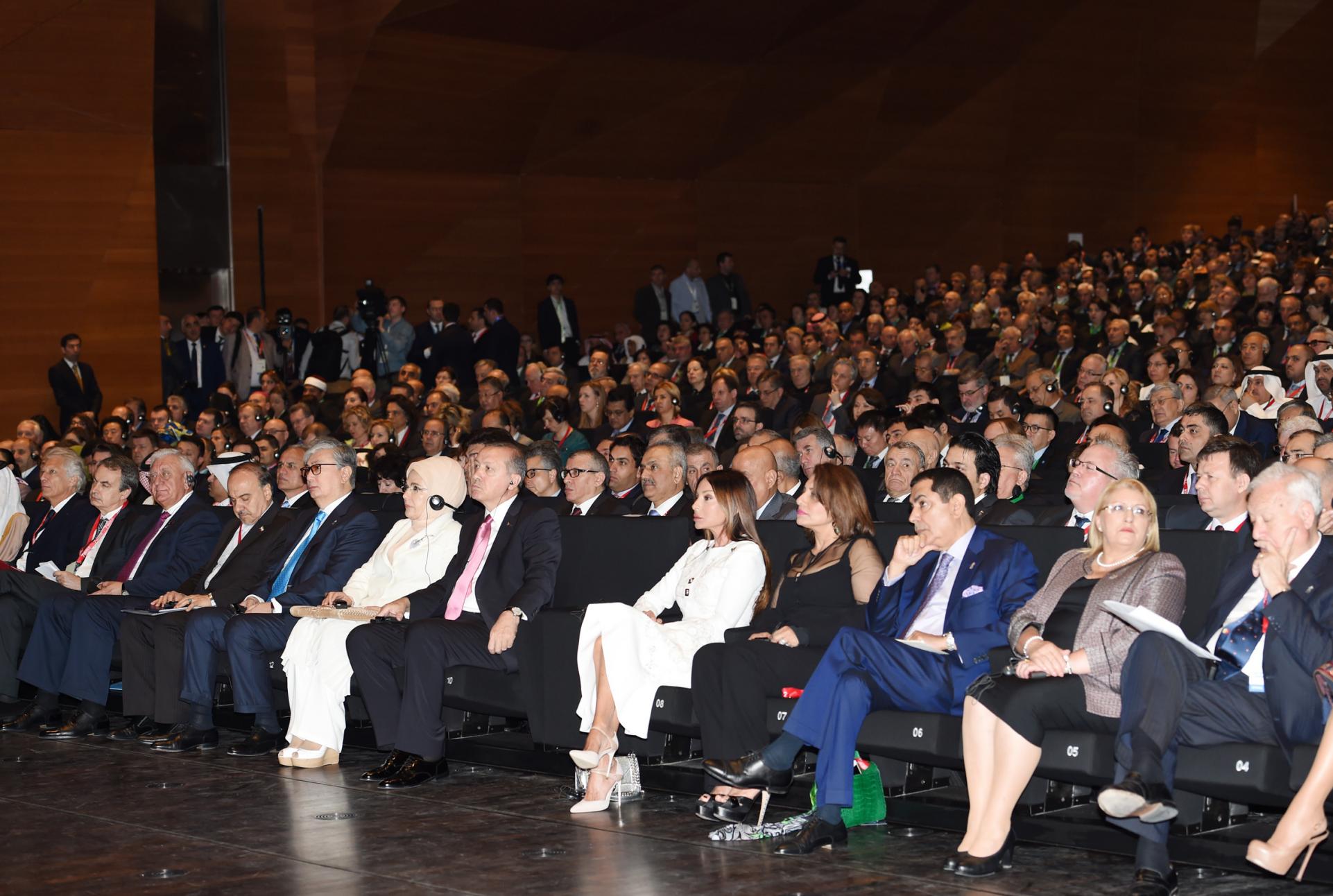
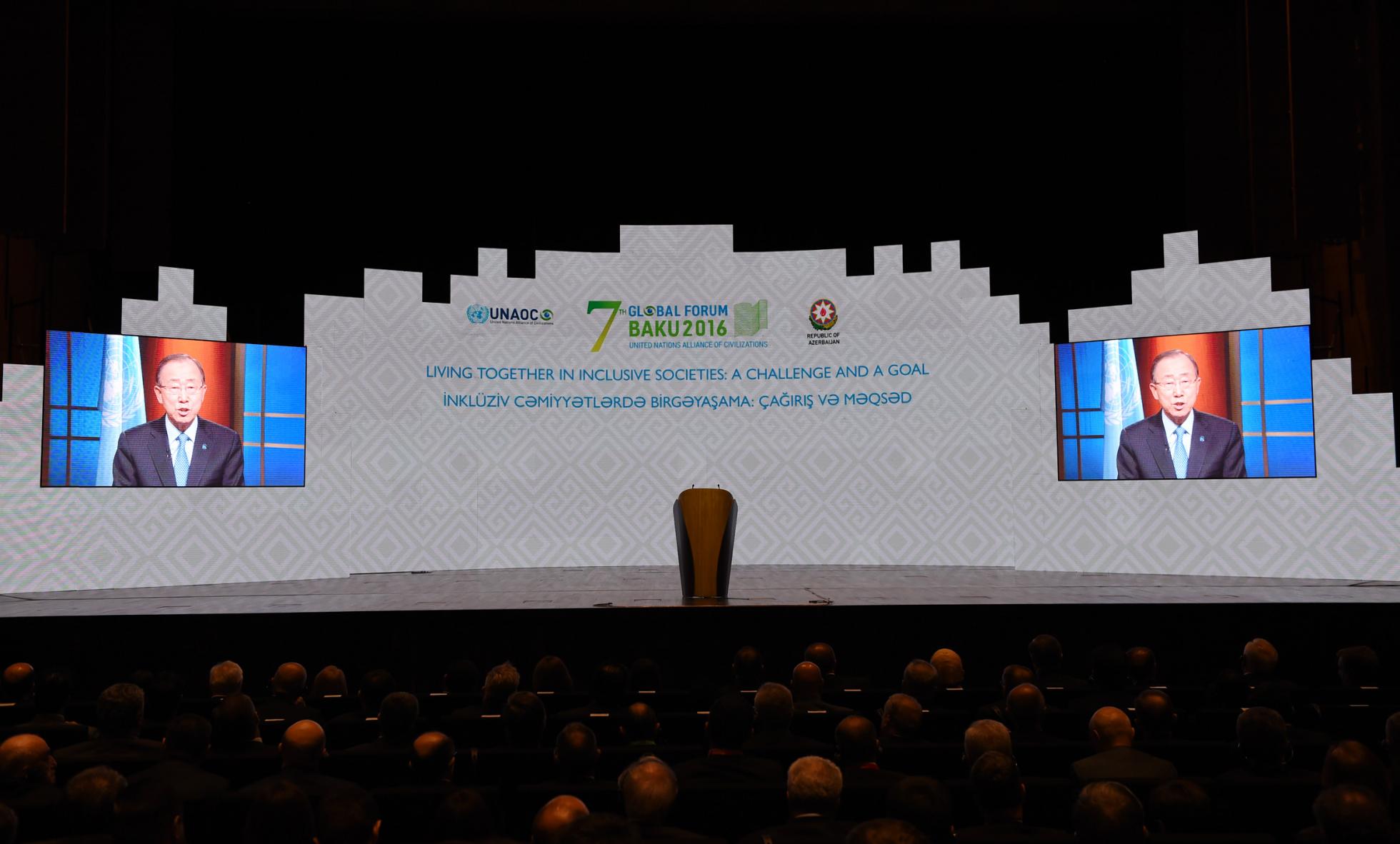
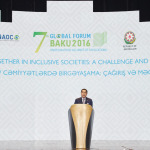
From April 25 to 27, 2016, Baku hosted the Seventh Global Forum of the United Nations Alliance of Civilizations (UNAOC), under the theme "Living Together in Inclusive Societies: A Challenge and A Goal." The Forum concluded with the adoption of a UNAOC Baku Declaration during its high-level ministerial meeting. The hosting of this global UNAOC event in Baku reflected the city's established standing as an international center for intercultural dialogue and reinforced the relationship between the Baku Process and the broader UN architecture for dialogue and cooperation.
-
4th World Forum on Intercultural Dialogue (2017)
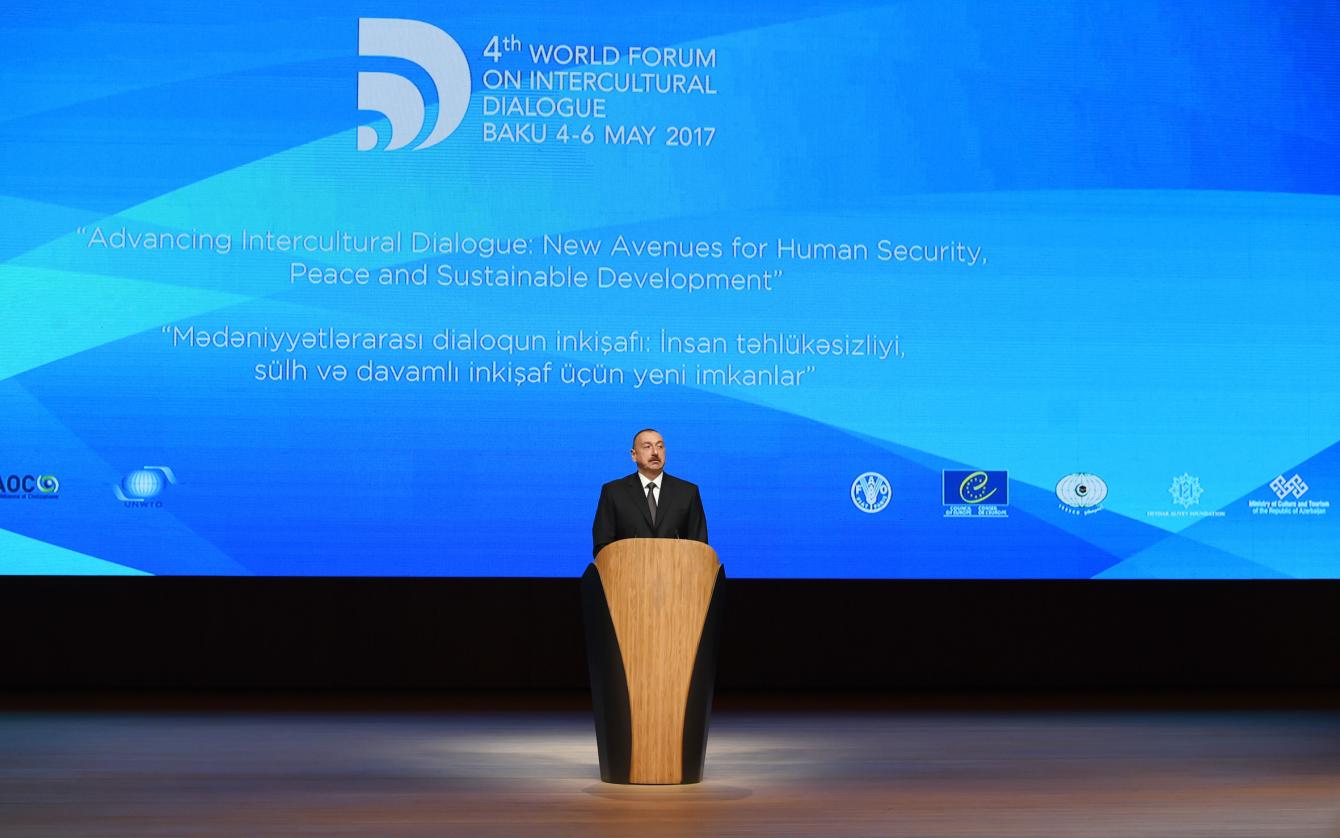
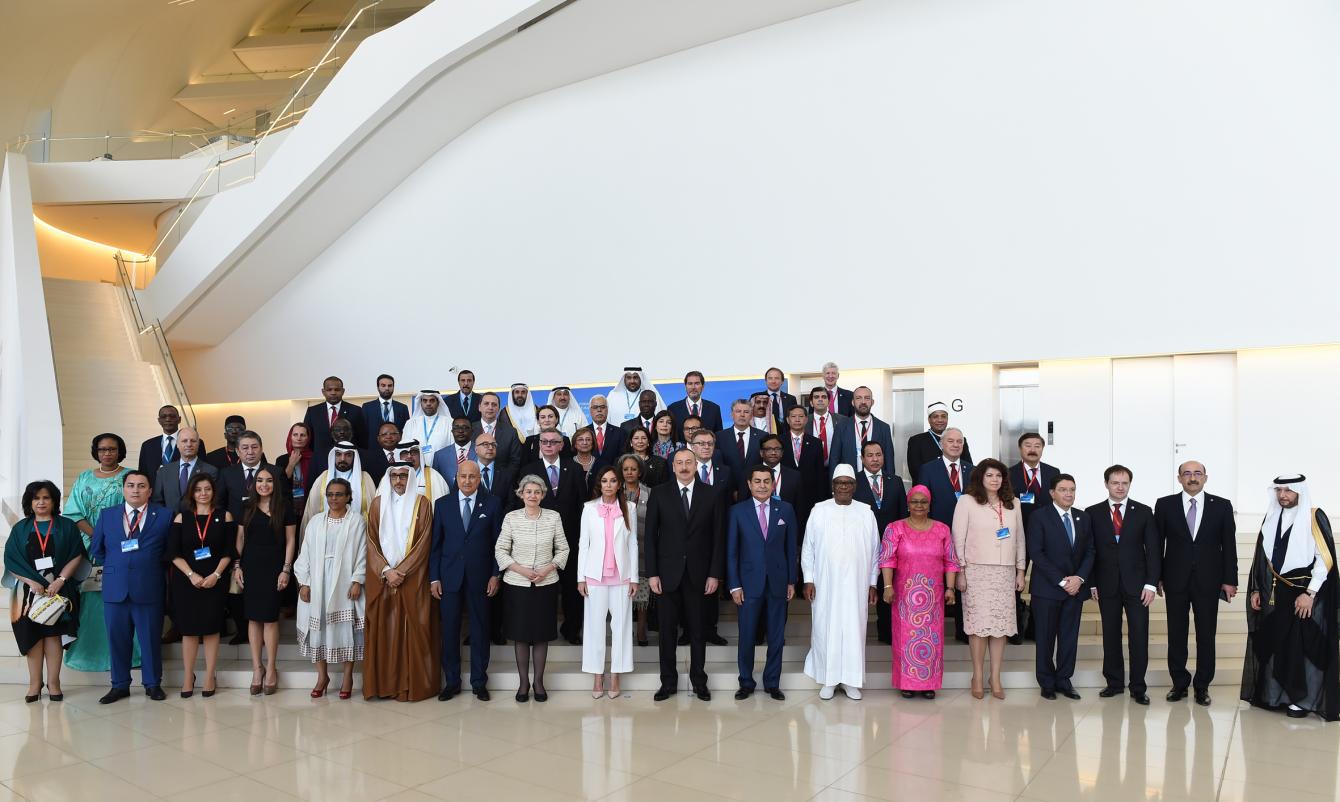
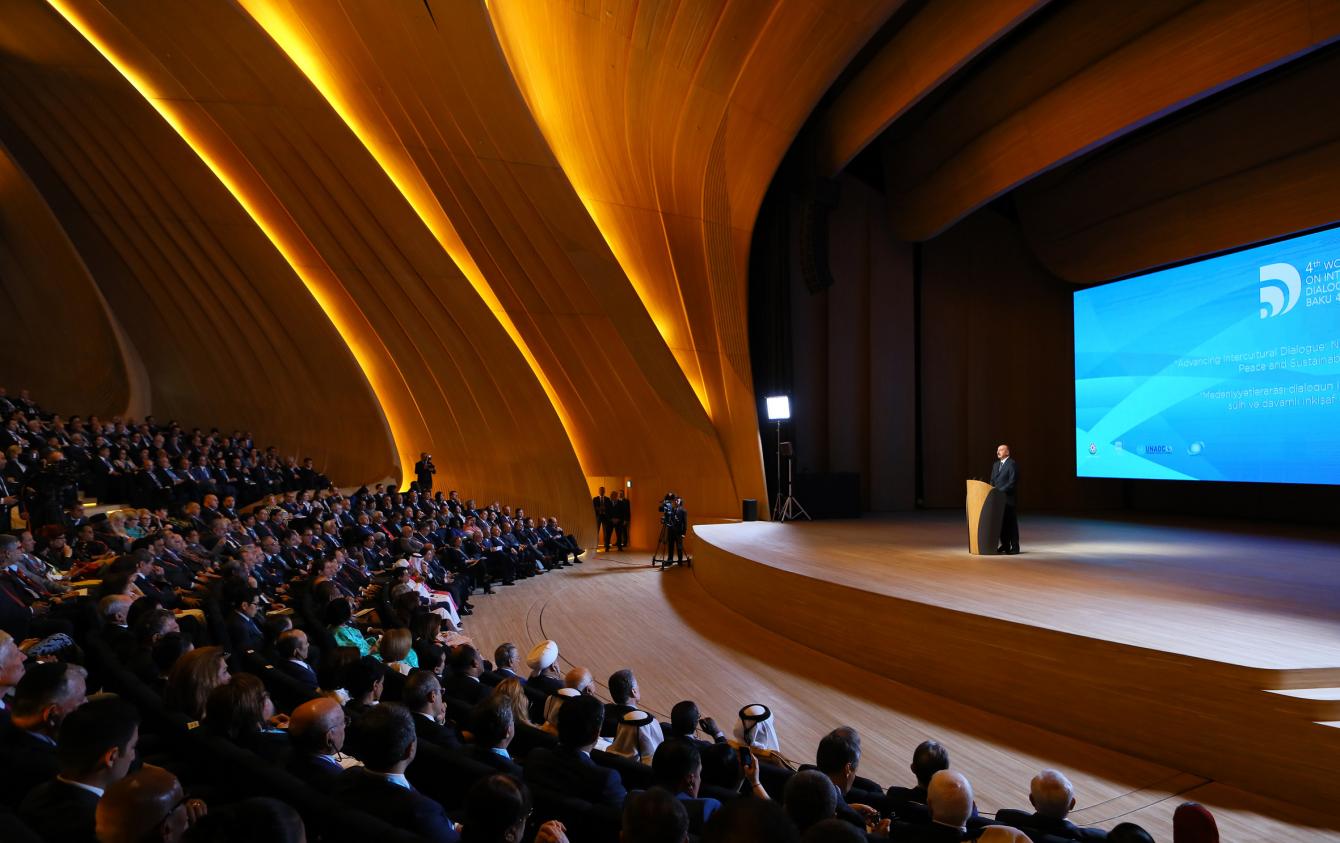
“Advancing Intercultural Dialogue: New Avenues for Human Security, Peace and Sustainable Development”
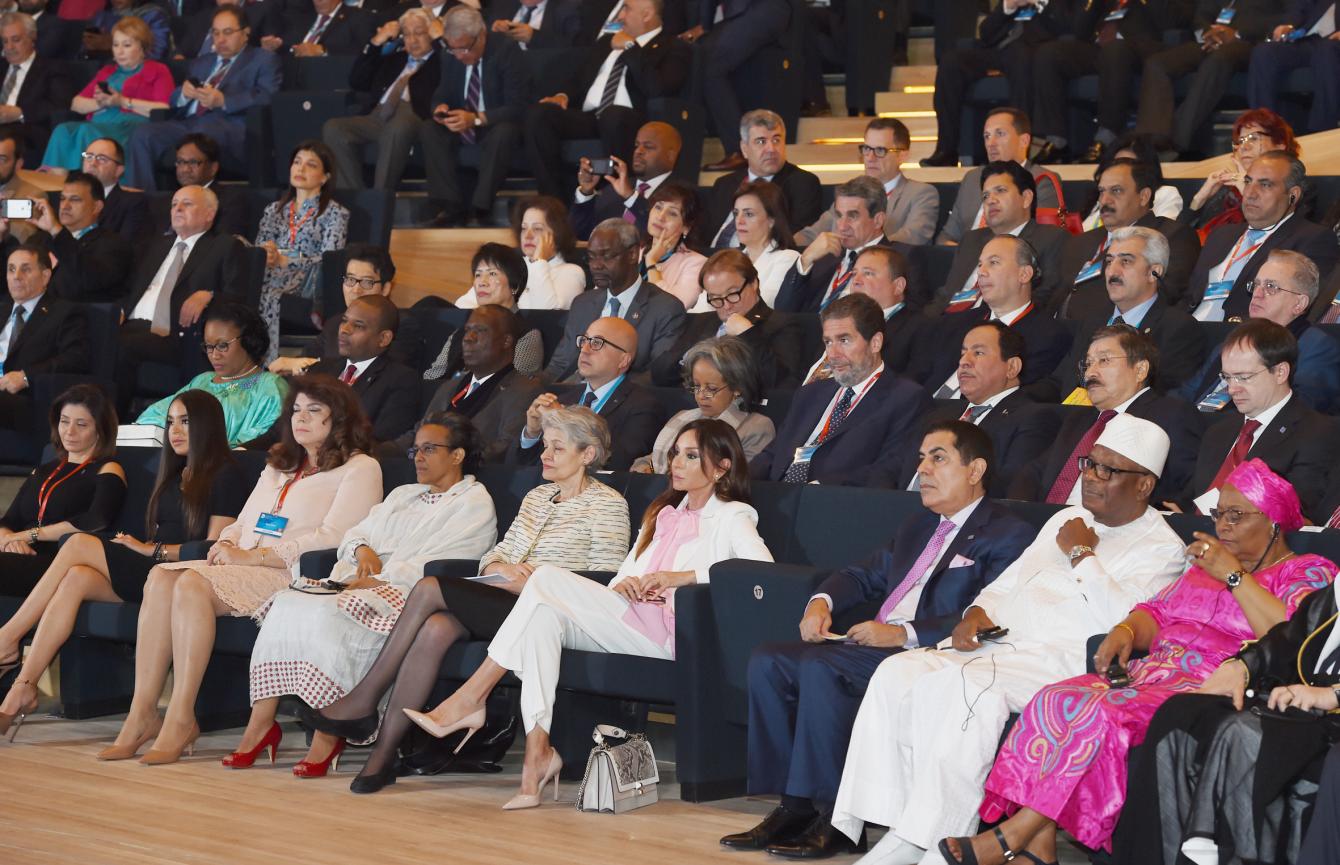
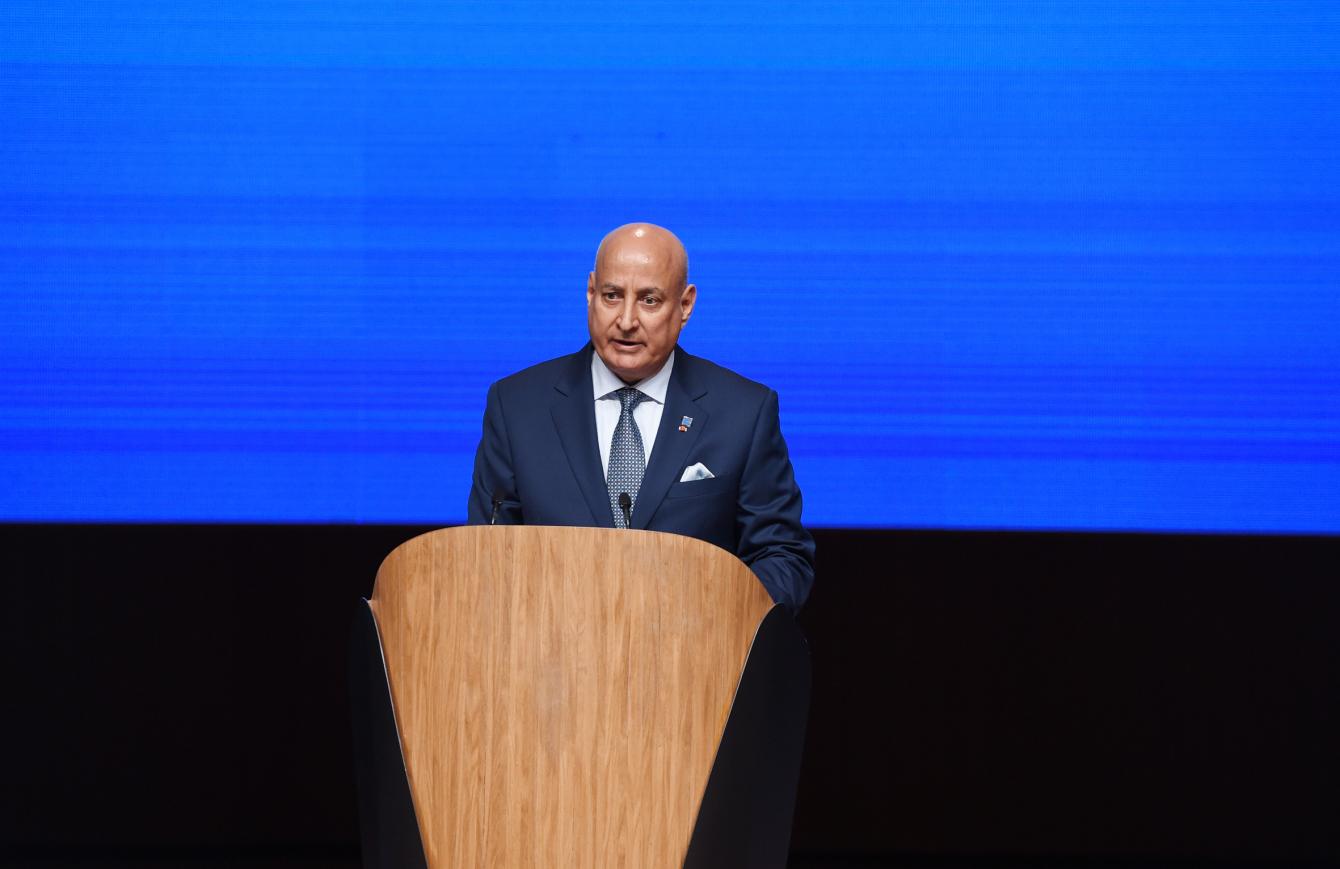
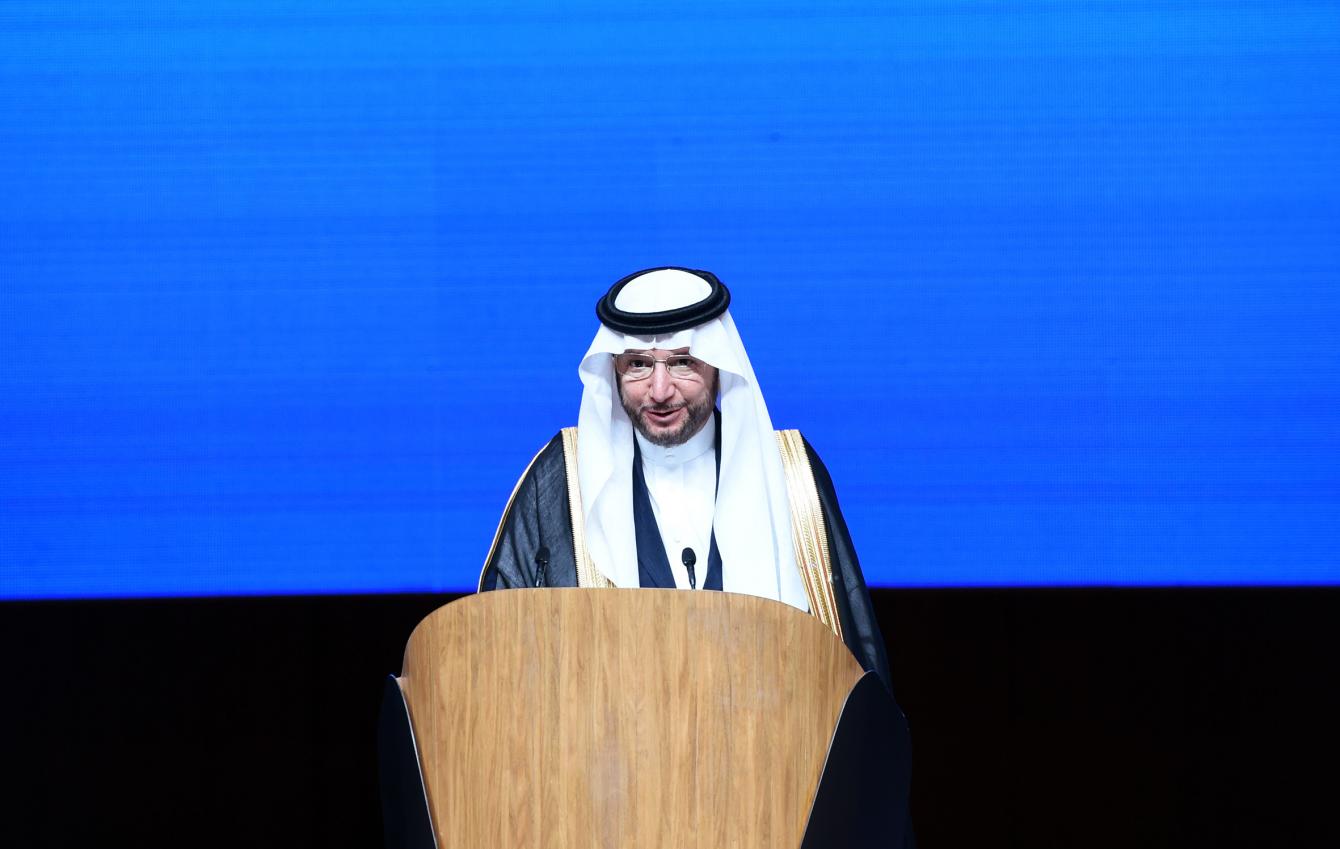
The Fourth World Forum on Intercultural Dialogue was held in Baku on May 5–6, 2017, under the theme "Advancing Intercultural Dialogue: New Avenues for Human Security, Peace and Sustainable Development." The Forum aligned the objectives of the Baku Process with the United Nations' 2030 Agenda for Sustainable Development, reflecting a broad consensus that economic and social development goals cannot be sustainably pursued in the absence of social inclusion, human security, and peaceful coexistence between cultures and civilizations.
The Fourth Forum introduced two significant institutional developments. The Food and Agriculture Organization of the United Nations (FAO) joined the co-organizing consortium, expanding the platform's reach. The Forum also hosted the First High-Level Meeting of International Organizations within the Baku Process framework, and announced the creation of the Baku Process Award for Leadership in Intercultural Dialogue, a joint initiative between the Government of Azerbaijan and UNAOC.
The Fourth Forum also coincided with a milestone in the international recognition of the Baku Process. The United Nations Secretary-General's Annual Report to the General Assembly on intercultural and interreligious dialogue and a culture of peace (A/72/488) referenced the World Forum on Intercultural Dialogue as a key global platform for promoting intercultural dialogue. One of the two corresponding resolutions (A/RES/72/136), unanimously adopted by the General Assembly, recognized the Baku Process as a key global mechanism for fostering intercultural dialogue and called upon all member states to actively engage with it.
-
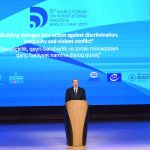
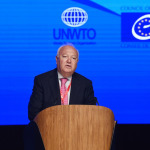
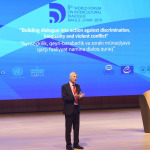
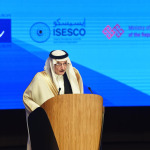
5th World Forum on Intercultural Dialogue (2019)
“Building dialogue into action against discrimination, inequality and violent conflict”
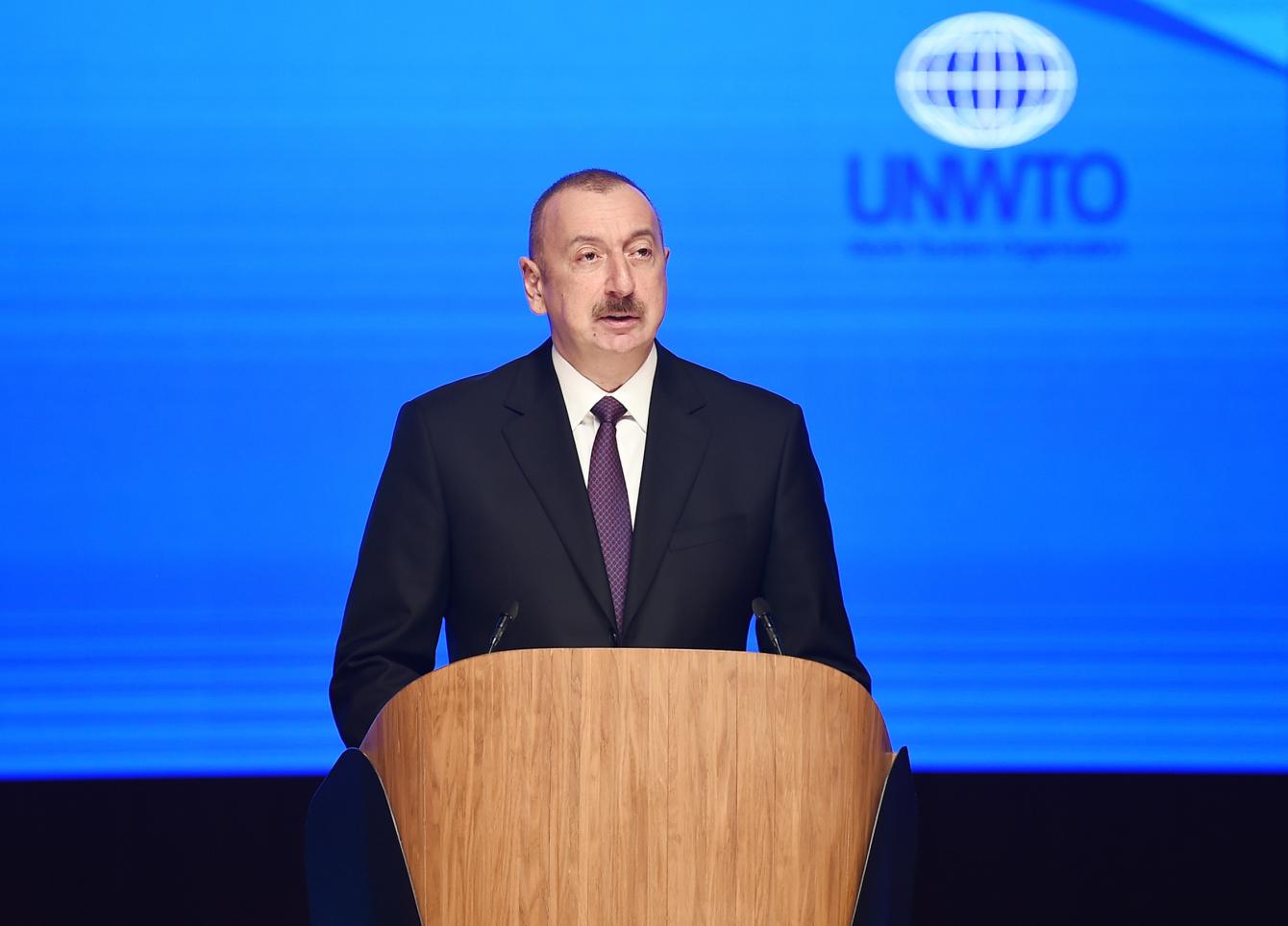
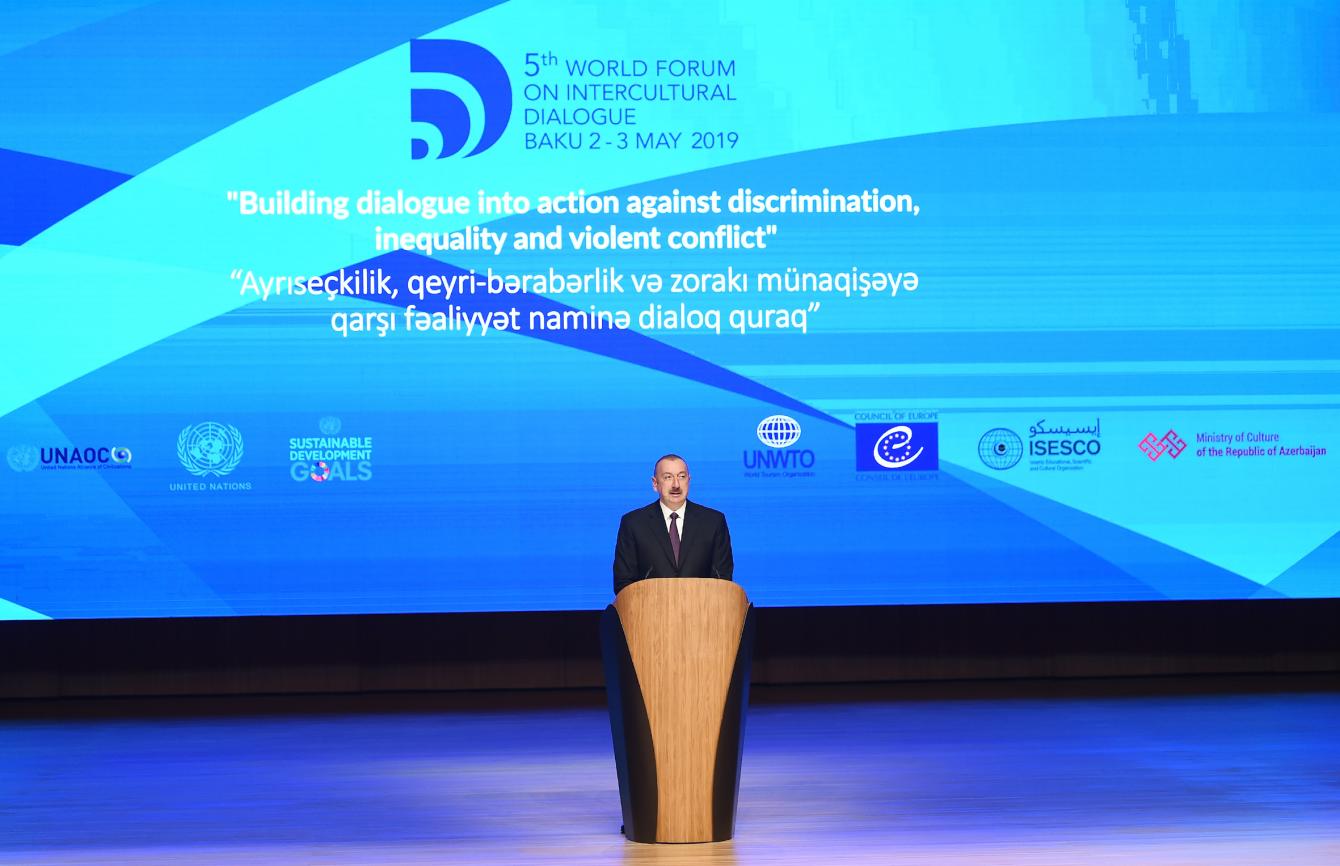
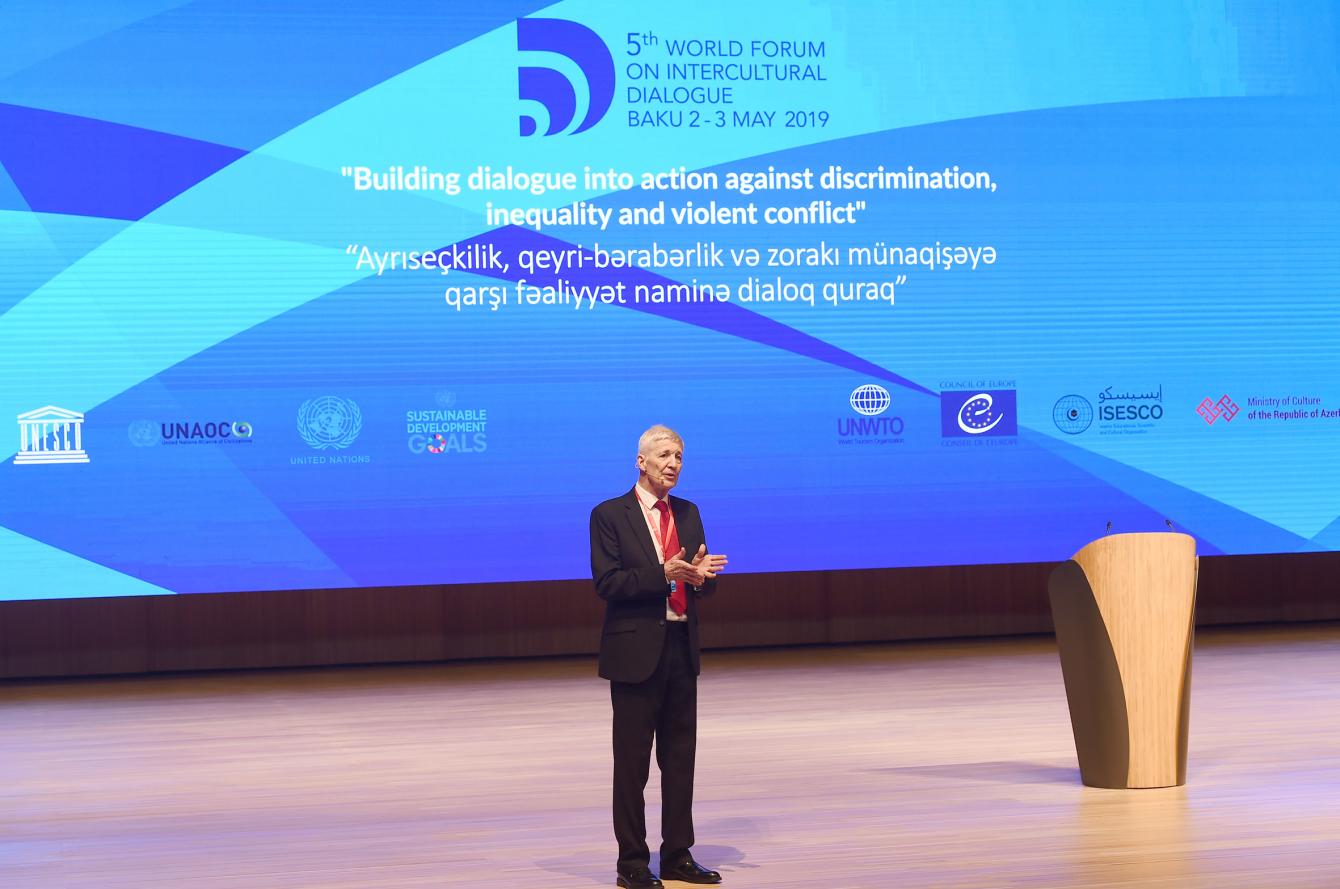
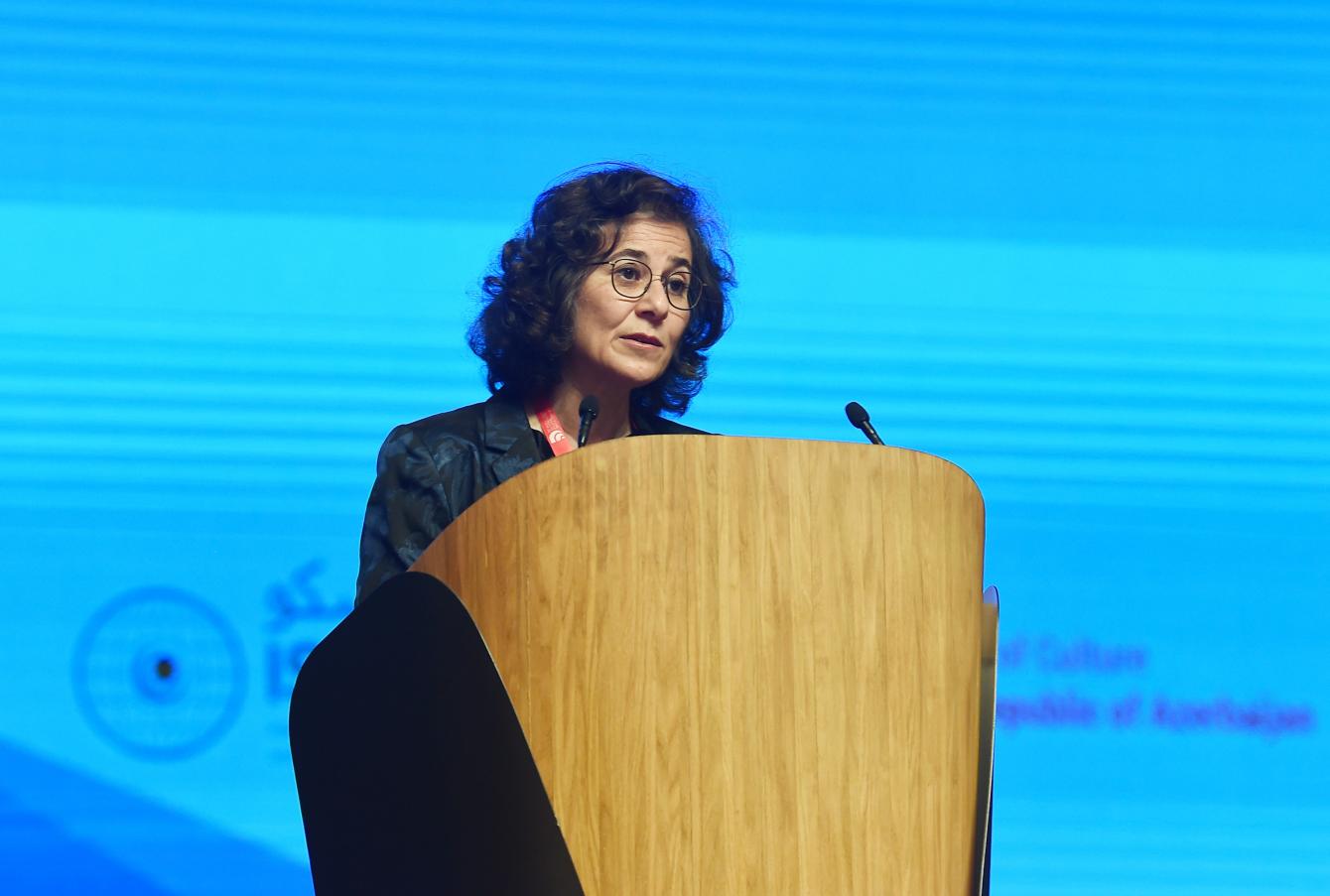
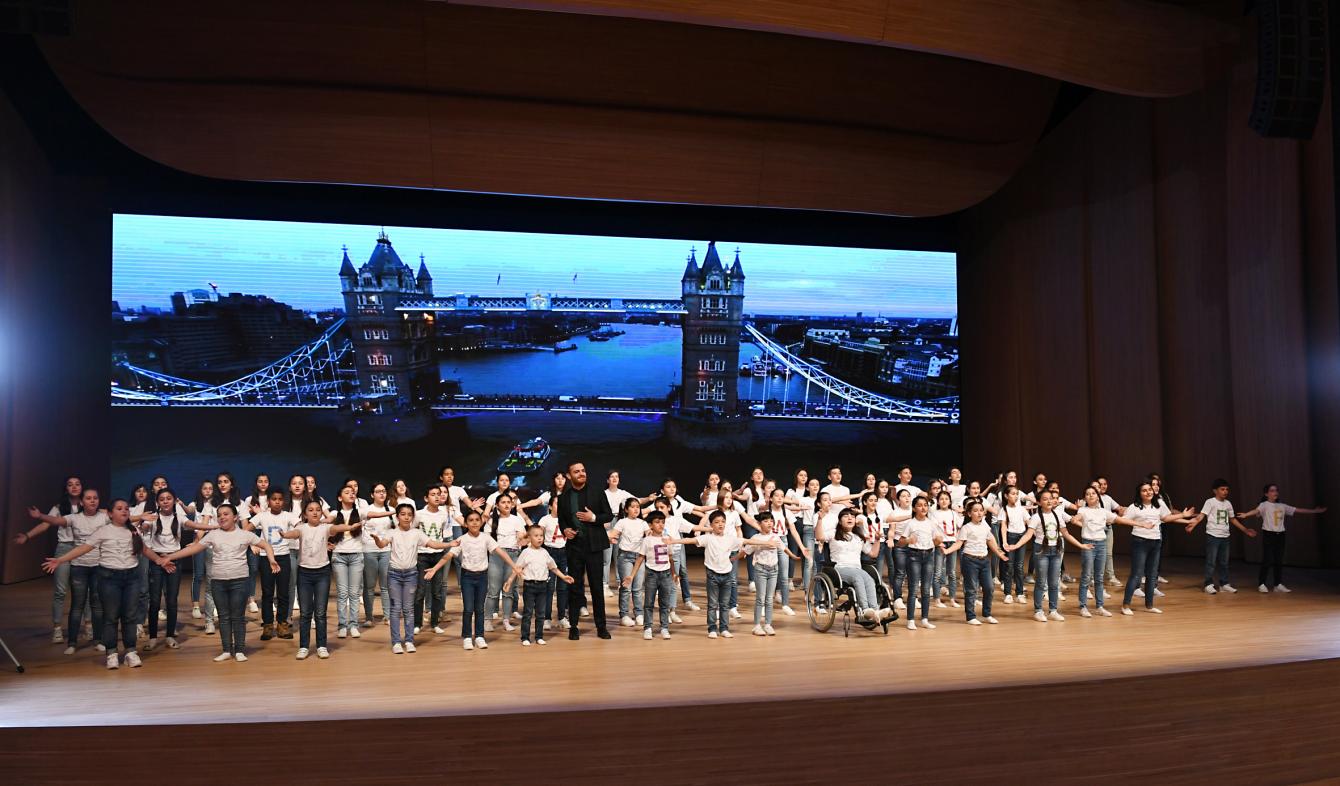
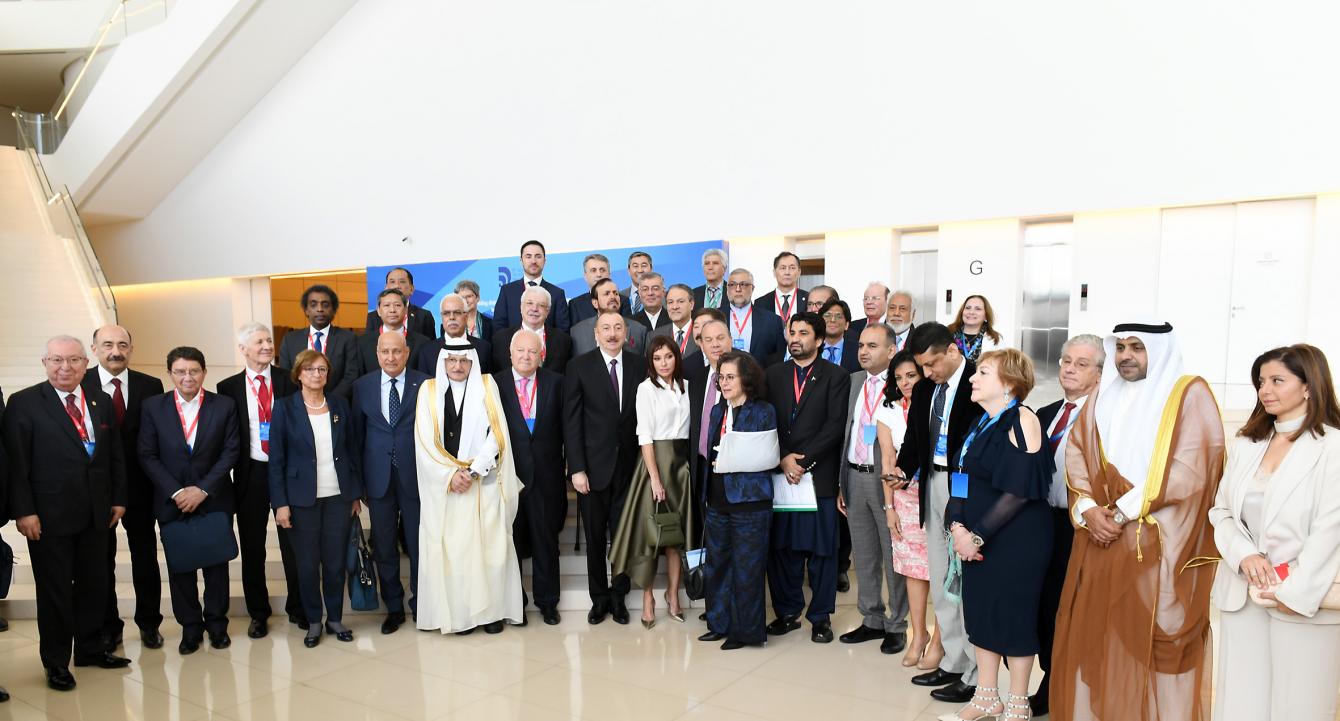
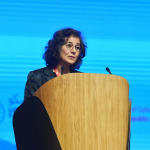
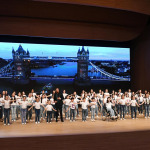
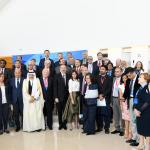
The Fifth World Forum on Intercultural Dialogue convened in Baku on May 2–3, 2019, under the theme "Building Dialogue into Action Against Discrimination, Inequality and Violent Conflict." The Forum marked a deliberate shift in emphasis, from the consolidation of institutional frameworks toward practical implementation at every level of society.
Discussions centered on multi-level governance and the challenge of translating high-level diplomatic agreements into strategies applicable at the local level: by municipalities, educators, and law enforcement agencies working within diverse communities. Participants examined the structural drivers of extremism, inequality, and discrimination, and the role of inclusive policy in building long-term community resilience.
The Fifth Forum was designated by the UN Plan of Action to Safeguard Religious Sites (2019) as one of the main global platforms for promoting intercultural and interreligious dialogue. The Forum also adopted a Two-Year Action Plan, summarized as the Forum Charter, designed to promote peace and intercultural dialogue through concrete, measurable projects.
-
The "Peace4Culture" Global Campaign (2021)
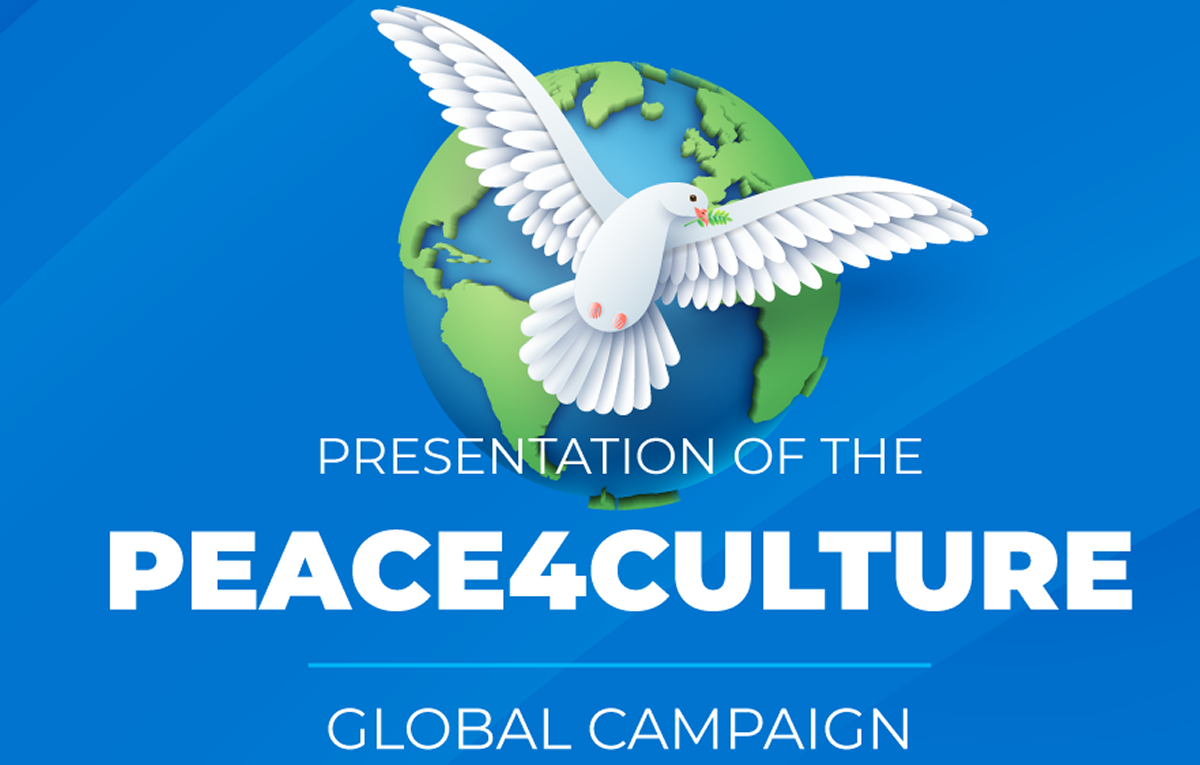
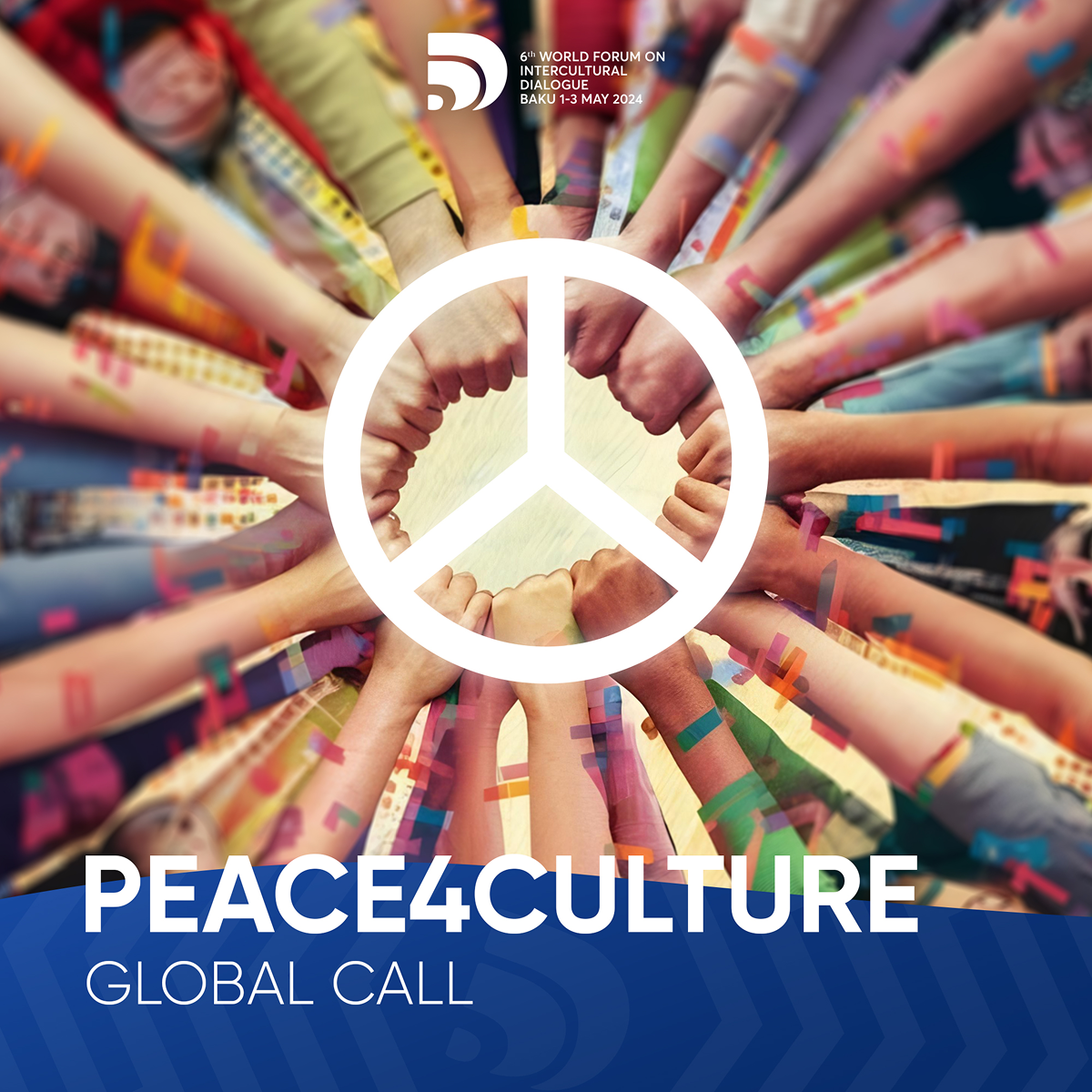
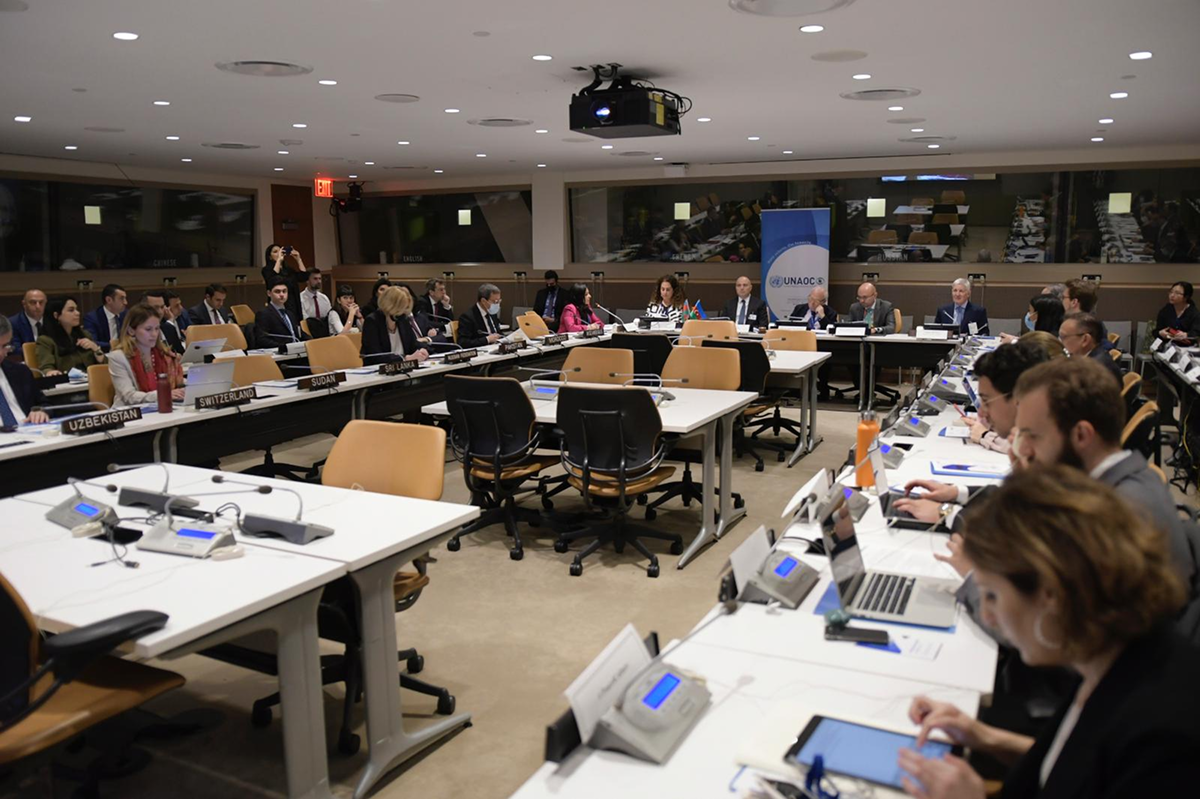
The "Peace4Culture" Global Campaign was officially launched on June 23, 2021, in Baku, Azerbaijan, spearheaded by the Ministry of Culture of the Government of Azerbaijan in partnership with the United Nations Alliance of Civilizations (UNAOC) and the Islamic World Educational, Scientific and Cultural Organization (ICESCO). Operating under the established framework of the Baku Process, the initiative was developed to adapt intercultural dialogue to the specific challenges of post-conflict recovery and the global disruptions caused by the COVID-19 pandemic. The core philosophy of the campaign rests on the interdependence of peace and culture, positing that peace is a fundamental prerequisite for cultural development, while culture itself is a vital tool for achieving sustainable peace. A primary objective is the global protection of cultural heritage, ensuring that no culture falls victim to vandalism, thereby fostering the creation of lasting, peace-loving societies.
-
6th World Forum on Intercultural Dialogue (2024)
“Dialogue for Peace and Global Security: Cooperation and Interconnectivity”
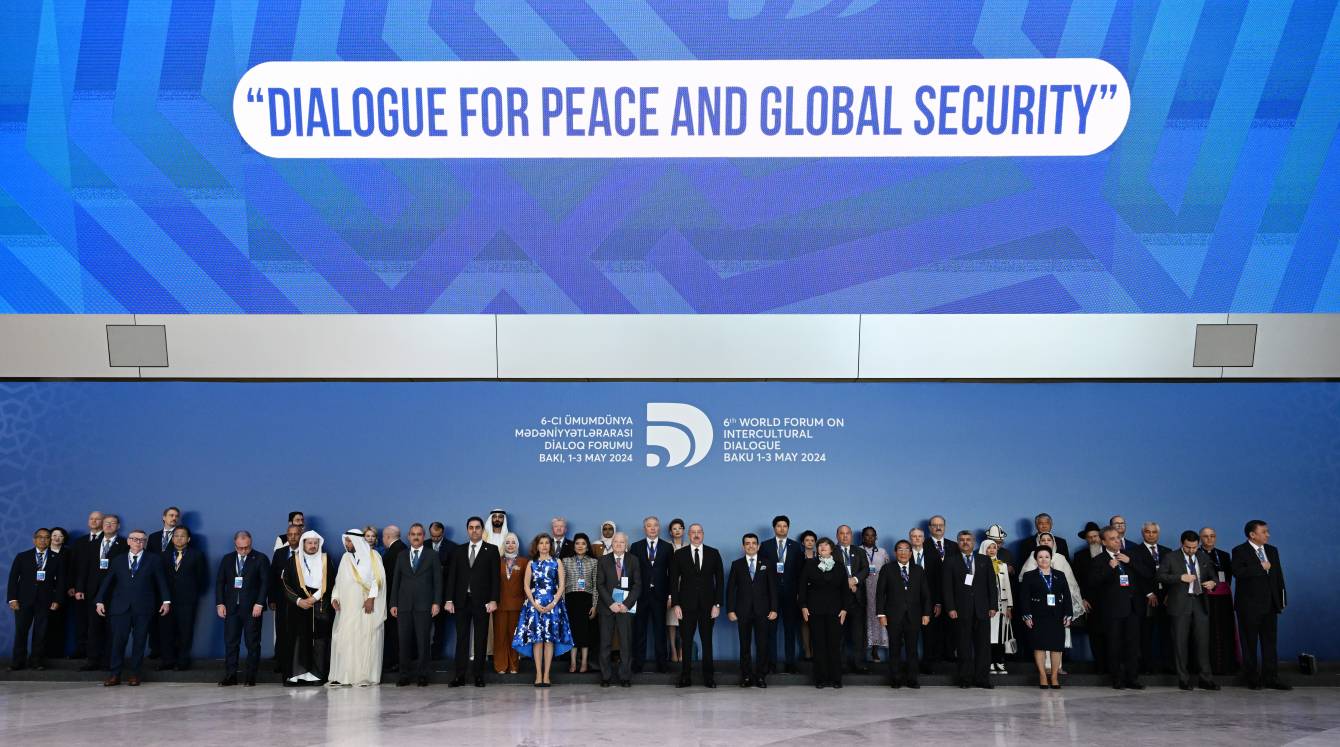
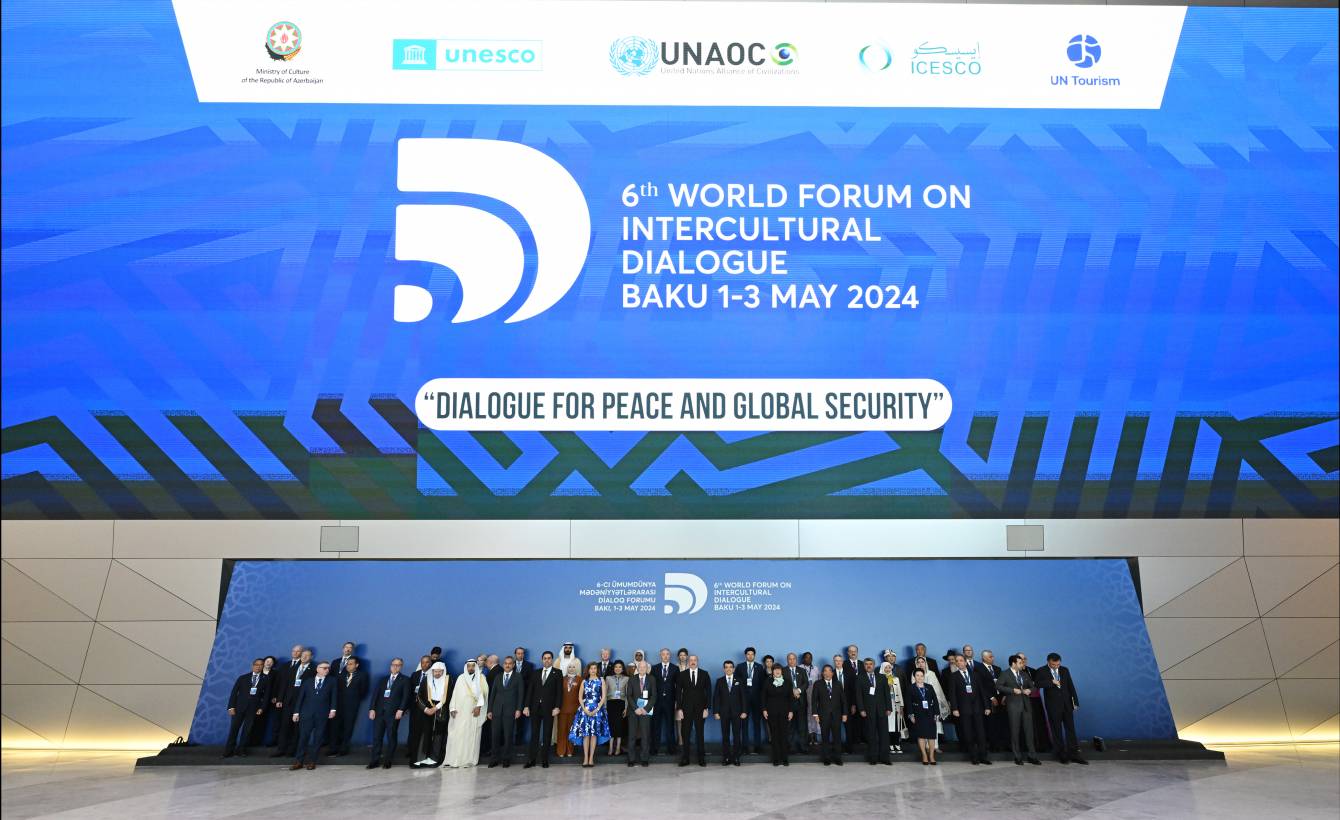
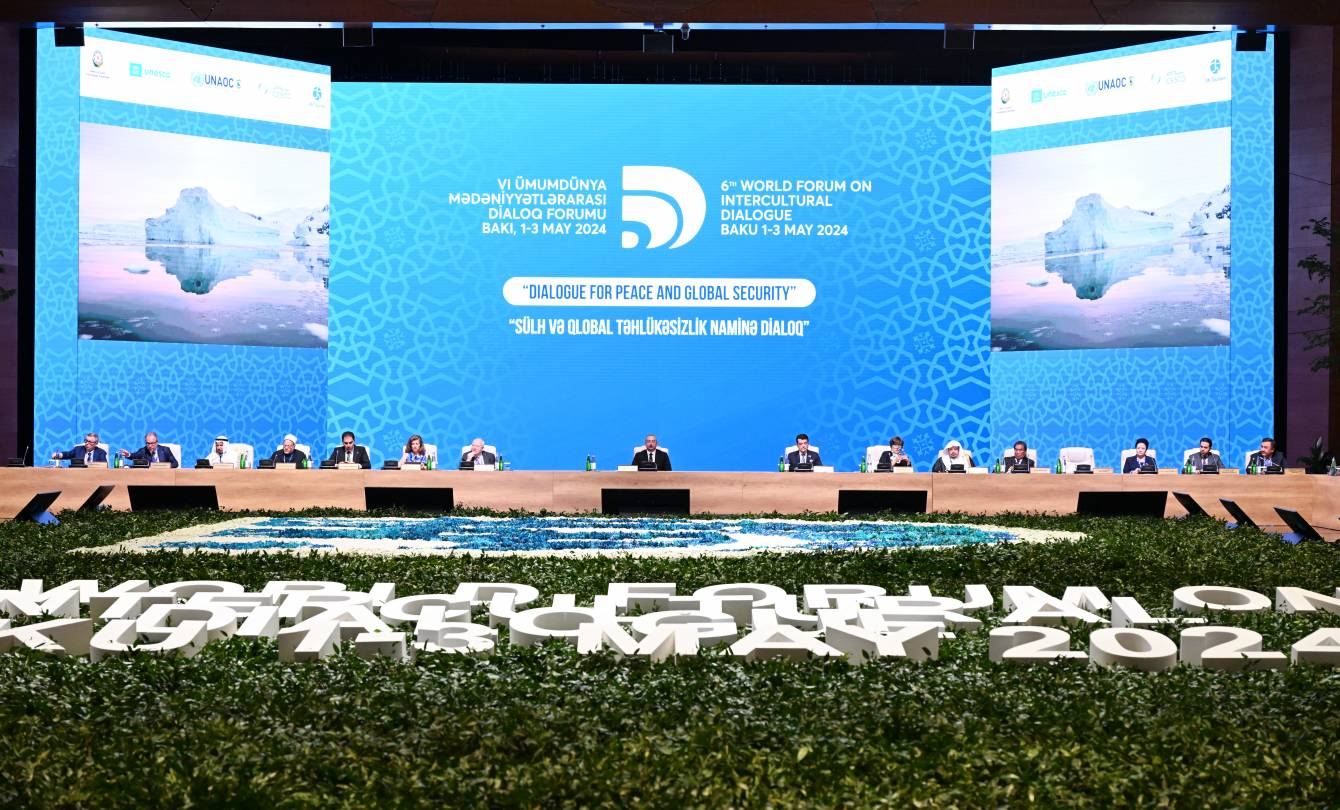
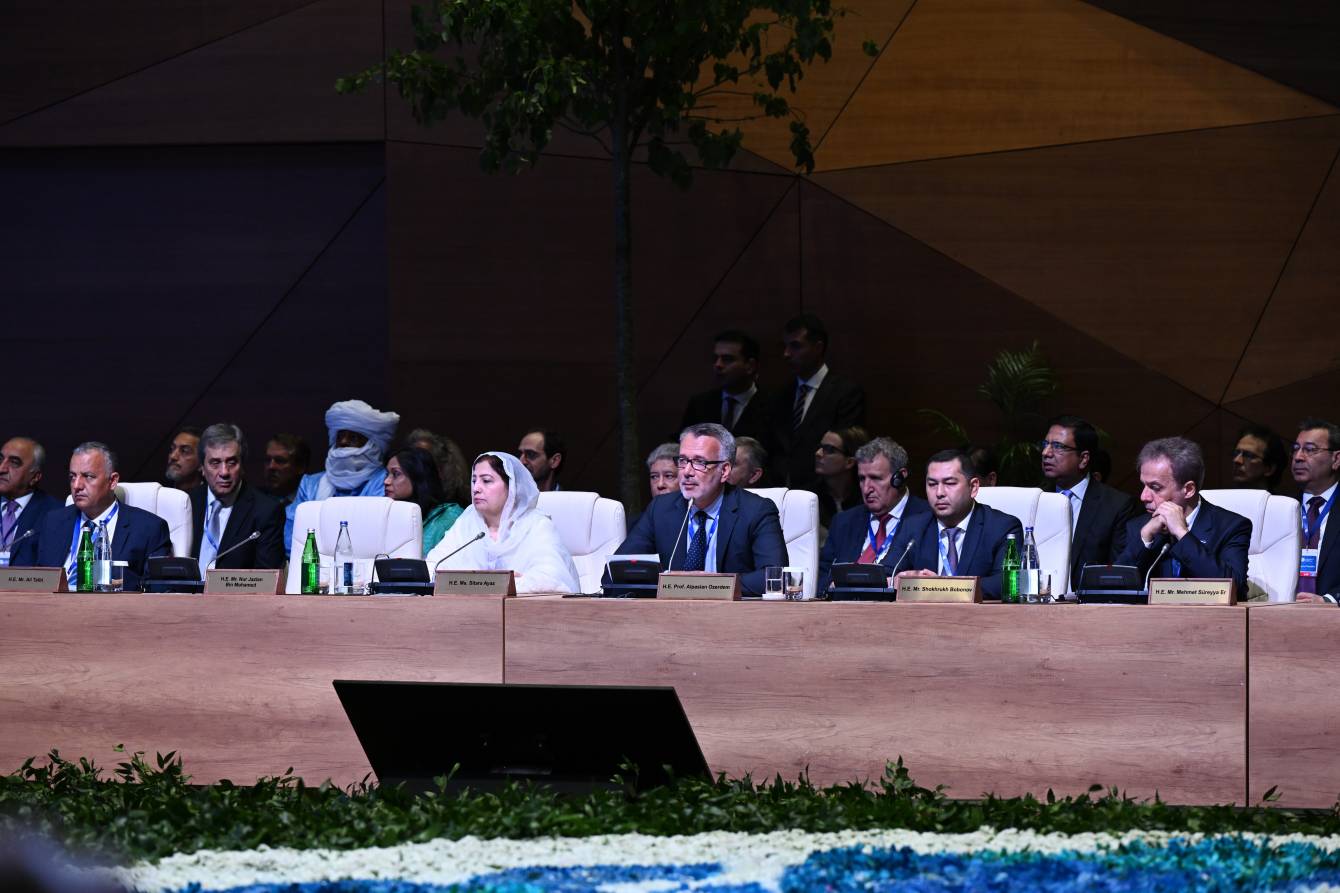
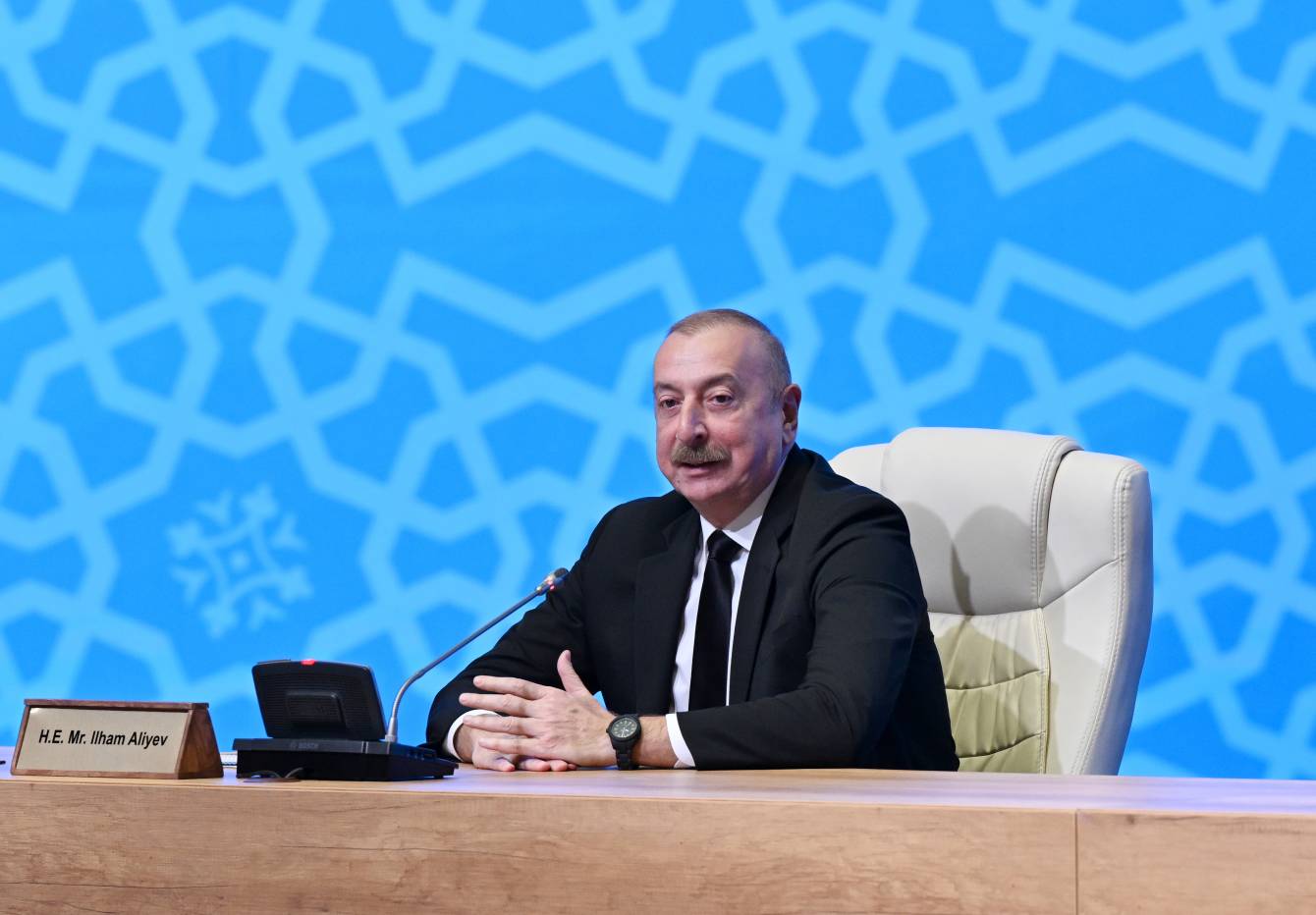
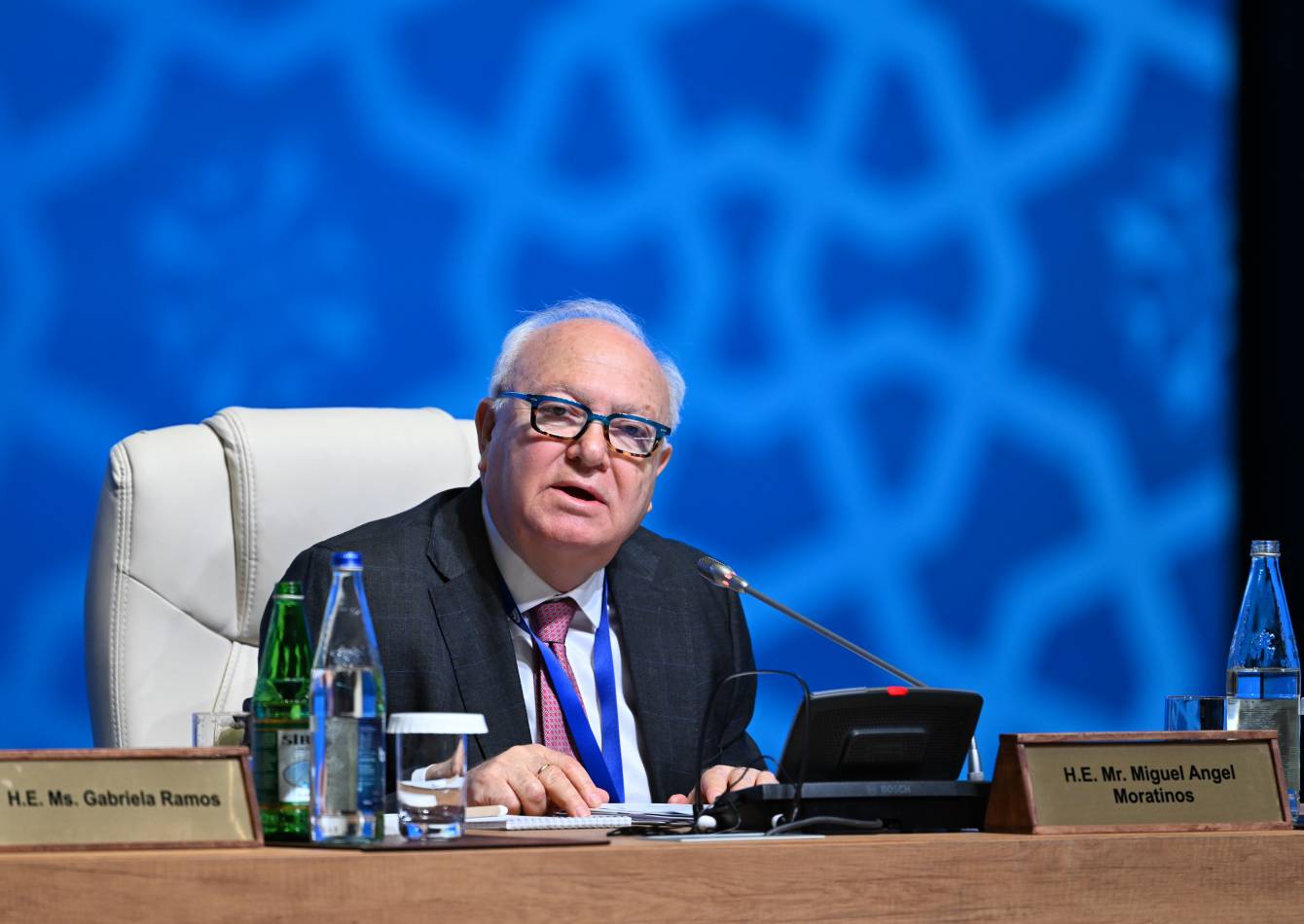
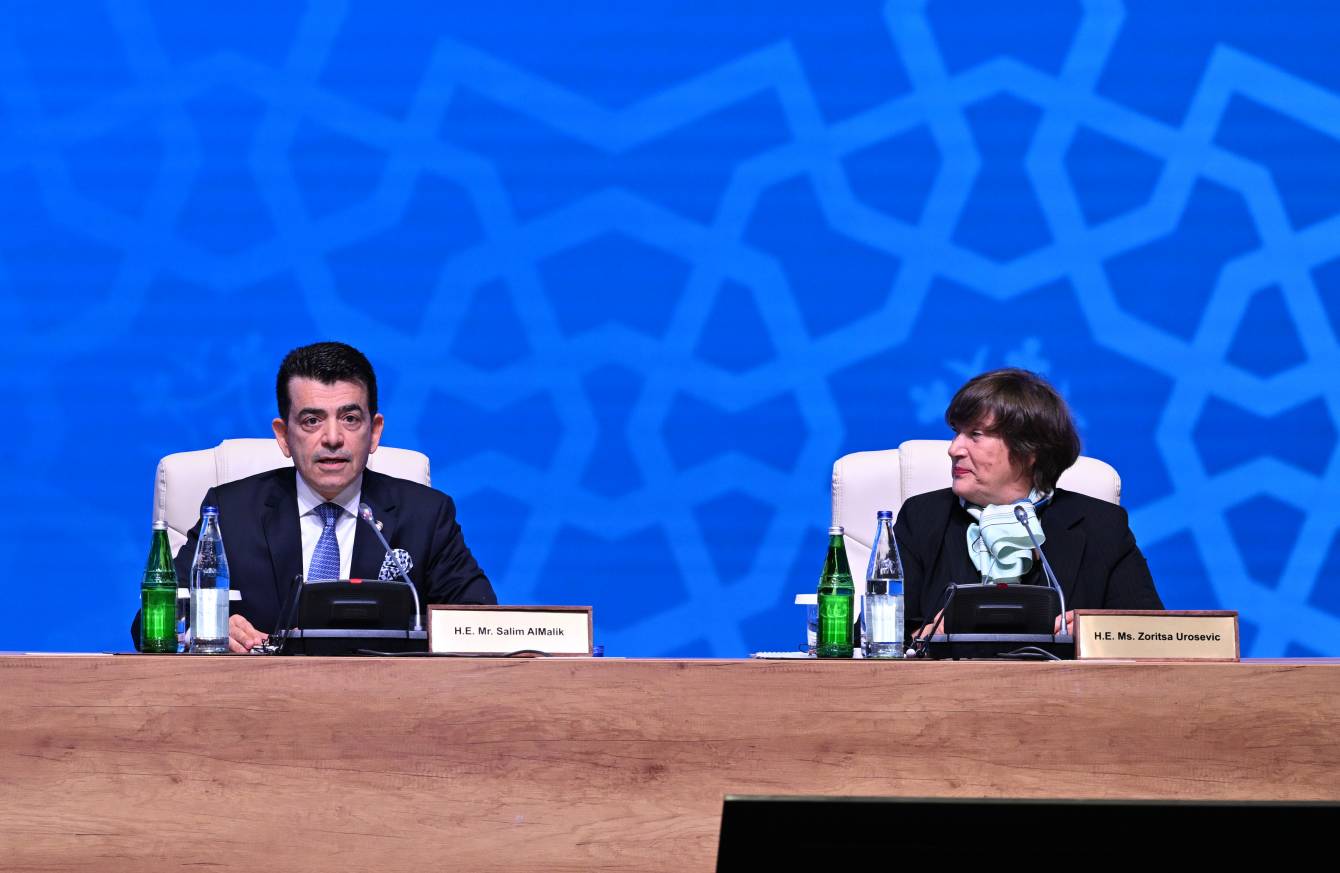
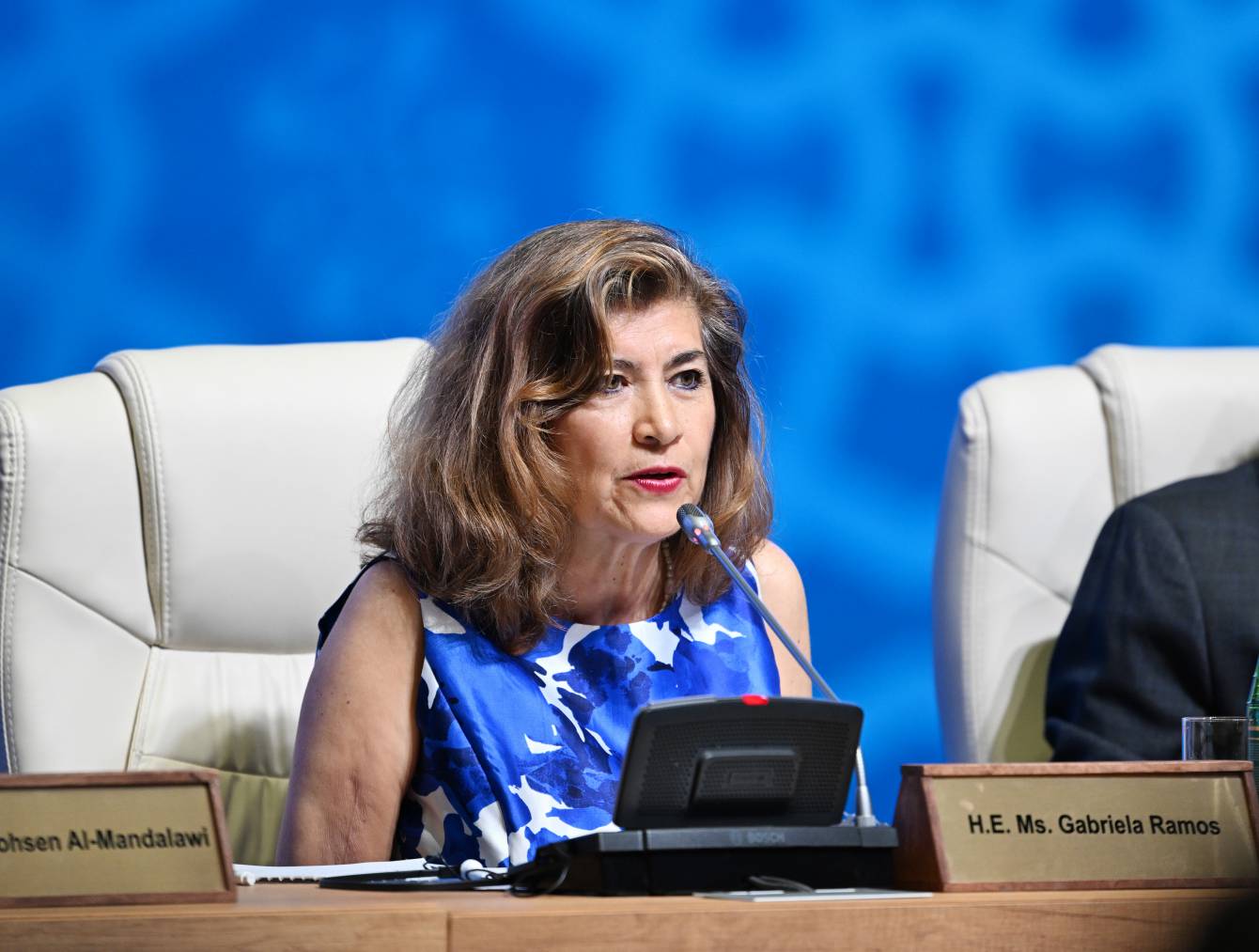
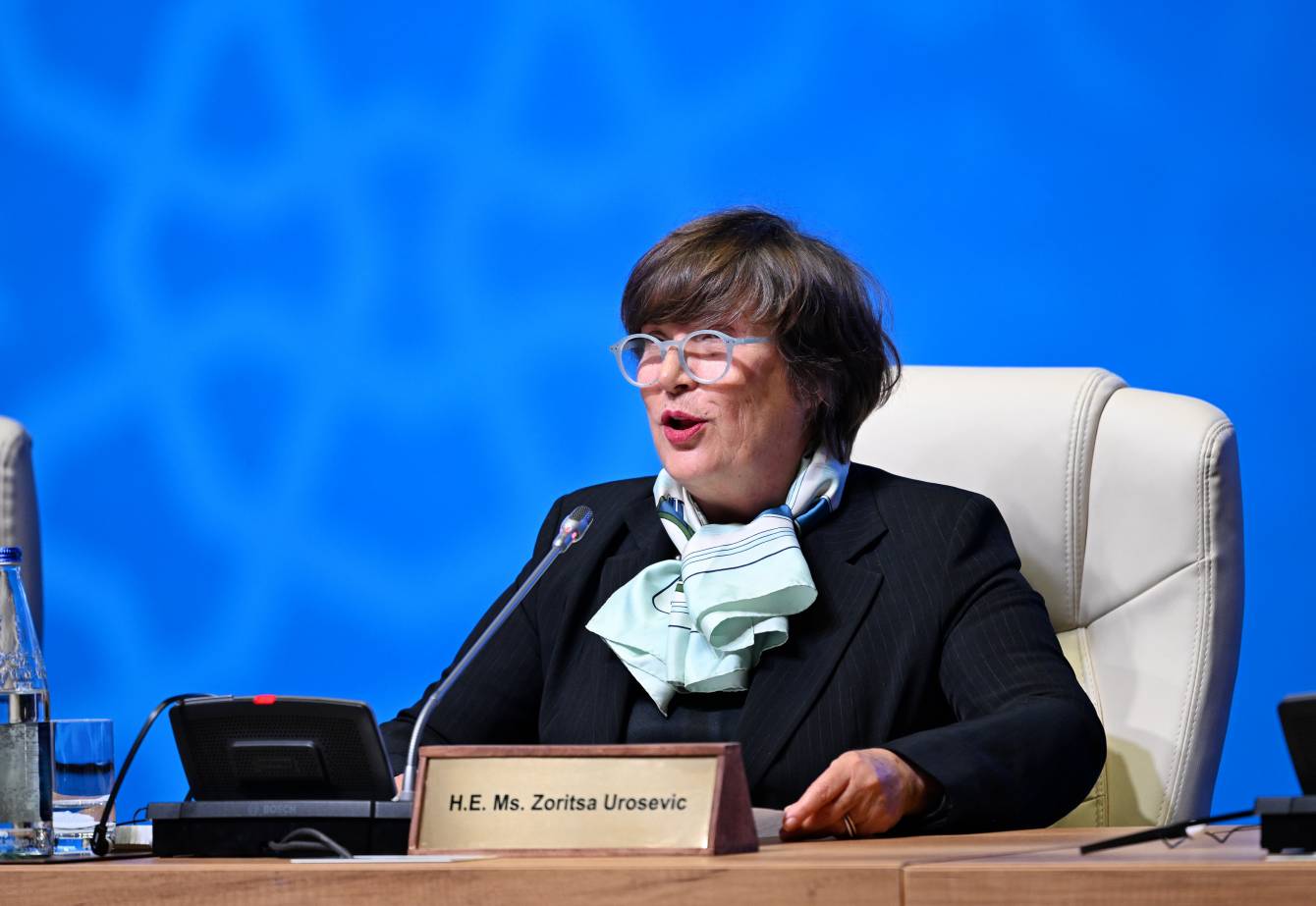
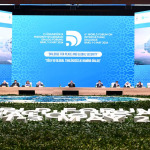
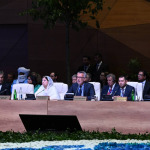
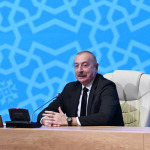
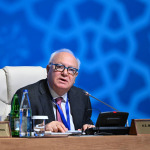
The Sixth World Forum on Intercultural Dialogue convened in Baku from May 1–3, 2024, under the theme "Dialogue for Peace and Global Security: Cooperation and Interconnectivity." The Forum brought together over 700 representatives from more than 100 countries.
The agenda addressed a range of intersecting contemporary challenges, including the implications of artificial intelligence for cultural dialogue, the role of youth leadership in peacebuilding, post-conflict recovery, and the relationship between intercultural dialogue and environmental responsibility: a dimension of particular relevance given Azerbaijan's hosting of the 2024 UN Climate Change Conference (COP29) later that year.
The Sixth Forum produced a Final Declaration that was officially circulated as a document of the United Nations General Assembly (A/78/884). The Forum also catalyzed the establishment of the Global Union for Intercultural Dialogue (GUIDE), an independent non-governmental organization created to serve as the operational secretariat of the Baku Process and translate its commitments into continuous, ground-level action.
-
7th World Forum on Intercultural Dialogue (2026)
"Dialogue for a Shared Future: Building Bridges in a Fractured World"
The Seventh World Forum on Intercultural Dialogue is scheduled to convene in Baku from October 27 to 29, 2026, under the theme "Dialogue for a Shared Future: Building Bridges in a Fractured World." The Forum will bring together a broad international audience, including government ministers, heads of international organizations, parliamentarians, religious leaders, academics, civil society representatives, youth leaders, and private sector participants, across multiple venues in Baku, reflecting the Forum's commitment to inclusive, cross-sectoral engagement.
The program will encompass high-level plenary dialogues, a dedicated Dialogue of Religious Leaders, an International Organizations Dialogue, an Academic Dialogue, a Business Dialogue, and a Global Youth Forum. Cultural programming will include the open-air Dialogue of Cultures Village on Baku Boulevard, an Innovation Hub showcasing technological solutions for intercultural communication, and a series of cultural exhibitions and performances. Bilateral and multilateral meetings will run alongside the main program, providing space for formal and informal diplomacy.
The Seventh Forum builds on the strategic evolution of the Baku Process, from its early focus on shared values and peaceful coexistence, through its engagement with security and sustainable development, to its current mandate of addressing the complexities of an increasingly fragmented and multipolar world. GUIDE, as the operational secretariat of the Baku Process, plays a central role in the organization and delivery of the Forum.